

Trees for landowners and farmers
If you’re looking to plant lots of trees, we have the trees, grants and funding schemes to help.

Lead advocate - farming and agroforestry
The UK farming sector is in a period of significant change. Farmers face new land use policies following Brexit and the end of the Common Agricultural Policy, as well as price volatility due to global conflicts and the cost of living crisis. Our farms are also at the coalface of a changing climate, feeling the impacts of increasingly frequent extreme weather events. But these challenges also bring opportunities. With careful planning and expert advice, trees and woods can build resilience into your farming system and earn extra income too.
Diversification means trying to spread the risk with different income streams, rather than having all your eggs in one basket. Popular options include farm shops and venue hire, which can bring in valuable business if weather causes a bad harvest or commodity prices are unfavourable.
Diversification isn't a decision to take lightly. Before branching out, you'll need to assess your current business and how productive your land is - though you likely already know how close you are to breaking even each year.
Lots of research will help you come up with ideas that could work for your business, and to determine the possible market and competition. Talk to fellow farmers about their experiences to help work out if it's the right route for you. When you settle on something, you'll need a detailed business plan and sufficient capital to get started. It's hard work, but diversification can be rewarding too - and not just in profits.
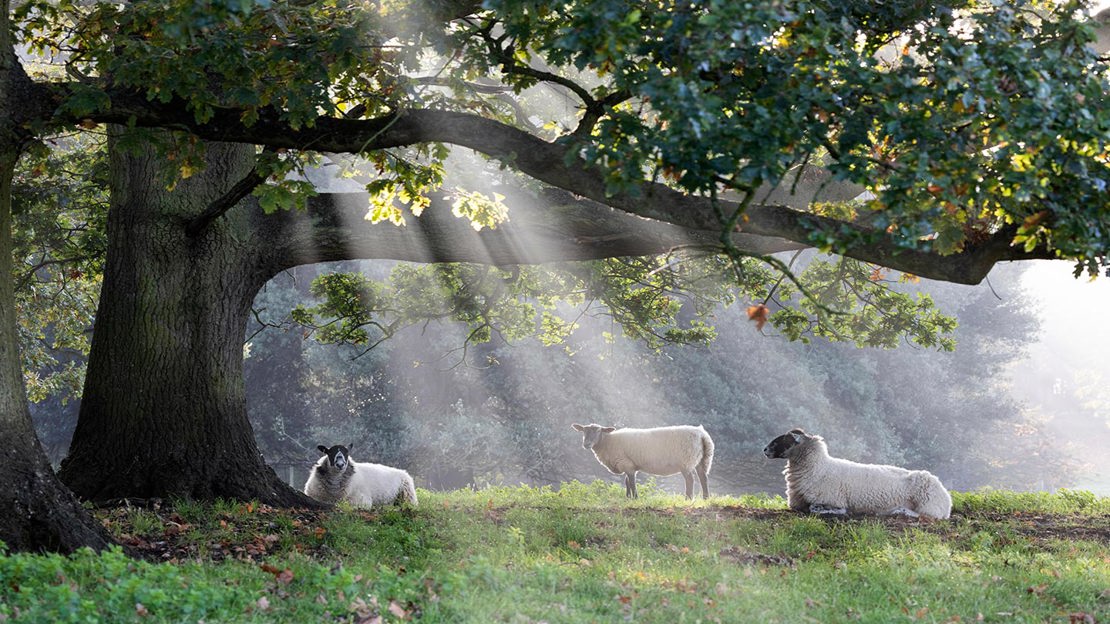
Trees deliver vast benefits to a farm business as woodlands and copses, or by integrating trees and shrubs into farming systems, known as agroforestry. This includes traditional practices like farm hedgerows, wood pasture and heritage orchard grazing, along with innovative systems like growing alleys of productive trees through arable land.
Trees enhance the microclimates for all types of farming systems, ensuring current crop and livestock-based systems remain efficient and productive. Done well, bringing more trees into farmed landscapes will boost economic and environmental resilience by:
Look at marginally productive land that you could plant, as well as existing trees and woods on the farm. Farmers often consider trees and woods an unproductive asset, but in times of increasing pressure they could really help to diversify farm income by reducing costs and generating revenue too.
If you already have mature woodland on farm, it may be an untapped source of timber, firewood or biomass to use at home or sell. If not, you could make use of a less productive area and plant a new woodland where it can really add value. With the right trees you could be harvesting firewood in 12- 15 years and the same wood could be a real bonus for a game shoot too.
You'll need a clear woodland management plan to guide any felling – the Institute of Chartered Foresters has a good list of consultants that can help.
Watch Mike Weighell explain how trees are providing shelter for lambs and reducing wind erosion across arable fields on his North Yorkshire farm, as well as facilitating sustainable wood use and benefiting wildlife and his small shoot.
Mature woodland can provide a backdrop for income-generating recreation like glamping, high wire experiences and forest schools. Careful planning is vital to avoid damaging the woodland habitat and an early conversation with the local planning authority is advisable.

Incorporating fruit and nut species in any planting can produce extra income.
Organic farmer Martyn Bragg reaps the rewards of his field scale vegetable enterprise in Devon by incorporating alleys of fruit trees. The trees offer an expanded product range for his box scheme and are also enhancing the microclimate, extending the growing season for his vegetables.
In Cambridgeshire, Stephen Briggs converted 52 hectares of his farm to an apple and organic cereal-based silvoarable scheme. Now mature, the sustem has a 25% yield advantage compared to monocultures, with an average Land Equivalent Ratio of 1.25. Explore more details in our report.
An increasing number of farmers are now planting alley agroforestry systems to produce timber.
In 2022, the Barbours introduced agroforestry to their livestock farm in Perthshire, Scotland, by establishing woodland including shelterbelts and woodland grazing within an alley system. Alongside shelter for stock and an earlier grass crop under the trees, they're already producing enough timber for their own use and aim to sell commercially in the future. Read the Barbours' story.
You can choose from many diversification options to suit your circumstances. Many are tried and tested, while some may carry more risk. You might even find a unique way to fill a gap in the market. If you have some relatively wet, fertile ground you might consider growing cricket bat willows on an 18-year rotation, or the more adventurous farmer might even consider truffles!
If you choose agroforestry, the first step is to consider the number and condition of woods and trees already on your farm. Then within your wider farm business plan, decide your objectives for restoring and increasing tree cover alongside general farm adaptation and resilience for future conditions.
Speak to other farmers who are already benefitting from their agroforestry schemes, and to specialist advisors like ours. Contact us for expert guidance on planting and managing trees to meet your business goals, as well as the potential grants and funding available to help you.
For further information on grant support and regulations in England, visit the Forestry Commission.
If you’re looking to plant lots of trees, we have the trees, grants and funding schemes to help.

Plant trees
If you’re looking to plant trees, we have the trees, grants and funding schemes to help.

Plant trees
Want to plant 500+ trees on at least half a hectare? Apply for saplings, advice and funding with our MOREwoods scheme.

Plant trees
Our MOREhedges scheme includes saplings, advice and funding for new hedging projects of 100 metres or more.

Plant trees
Integrating trees in arable crops and livestock systems makes agroforestry a win-win for sustainable food production and the natural environment.

Plant trees
Whatever your reason for planting, trees have far-reaching benefits for all of us.

Research report
PDF (9.27 MB)

Practical guidance
PDF (2.35 MB)

Policy paper
PDF (1.47 MB)

Case study
PDF (695 KB)

Journal
PDF (2.81 MB)