Thompson Wood
Thompson, South Norfolk


Thompson Wood lies in South Norfolk, an area renowned for its post-glacial pingo ponds, which we are restoring across the site.
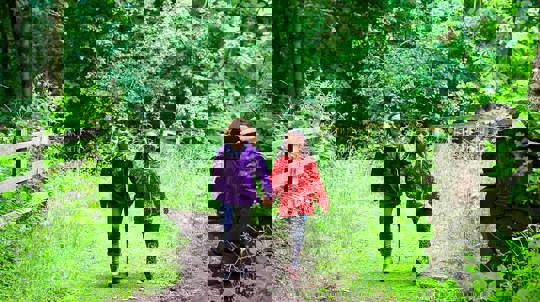
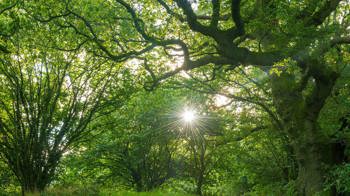
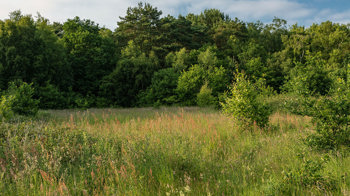
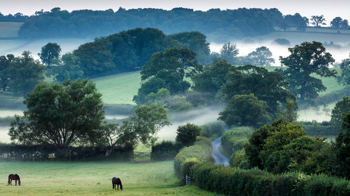
Covering 113 hectares (279 acres), it is one of our largest sites in Norfolk. Once arable farmland, Thompson Wood is being transformed into a rich mosaic of habitats, including woodland, wood pasture, open grassland and wetland. We are also developing areas of public access for the local community to enjoy the wood, while showcasing the vital role of woods for wildlife, nature recovery and climate resilience.
Features
- Pingo ponds
- Wood pasture
- Open grassland
- Wetland
How to get to Thompson Wood
Thompson Wood is in the village of Thompson in Norfolk, between the towns of Watton (5.5 kilometres/3.4 miles) and Thetford (20 kilometres/12.4 miles). The site is immediately adjacent to the Norfolk Wildlife Trust reserve of Thompson Common.
Thompson Wood is best accessed from the A1075 approximately 3.6km (2.25mi) south of Watton. Turn along Griston Road, signposted to Thompson, for approximately 2.4km (1.5mi) to the village.
The closest train station to Thompson Wood is Thetford, 20km (12.7mi) from the site.
Visit National Rail for more information.
The nearest bus stop is located on the A1075 adjacent to Griston Road and Thompson Road.
Visit Traveline for more information.
Facilities and access
The site currently has two public rights of way: a bridleway which runs between Hall Lane and Butter's Hall Lane, and a public footpath that runs between Church Lane and Griston Road, adjacent to the site.
As the site continues to be planted and developed, we are creating additional public access.
There is currently no car park at this wood. We are developing plans for future parking options on site.
There are no toilet facilities on site. The nearest toilet facilities are located in Watton town centre.
Wildlife and habitats
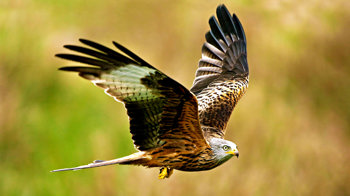
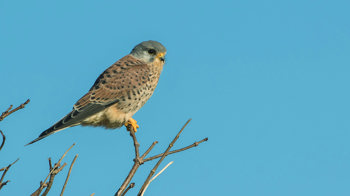
Wildlife has begun to return as the landscape develops into a mosaic of planned habitats at Thompson Wood. Species such as skylark and hare are becoming more frequent and are expected to benefit further from the open grassland being created. Stonechat and reed bunting are appearing in areas with scrub, while snipe feed in wetter areas. Egyptian goose is often seen in the old trees and barn owl, red kite, kestrel and buzzard can be spotted hunting across the wood.
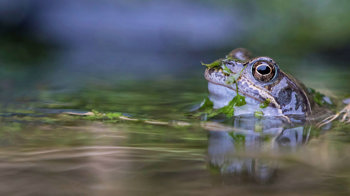
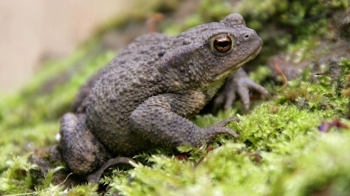
The wetter areas support dragonflies, damselflies, frogs and toads, with new wetland habitats helping these species thrive. The pingo ponds are of particular ecological importance, providing a home for the rare Northern pool frog. As Thompson Wood continues to establish, we expect to see more wildlife.
Look out for:


Trees, plants and fungi
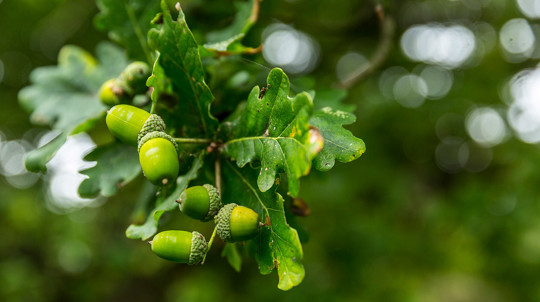
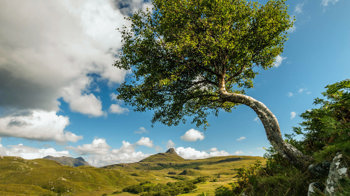
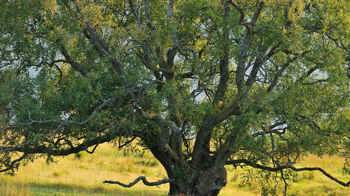
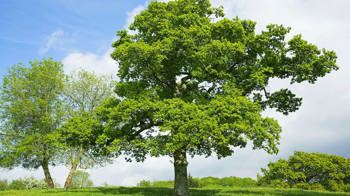
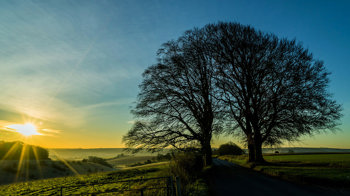
The site is former arable land, containing a few remnant trees and hedgerows, including veteran oak and beech. The remaining trees, predominantly oak, are significantly important in the current landscape and will become the future veteran trees of Thompson Wood.
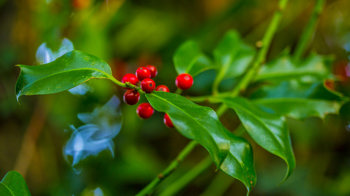
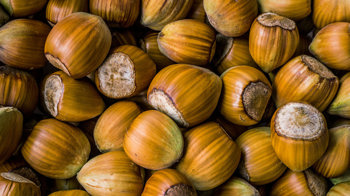
As part of our woodland creation programme, a mix of oak and birch will be planted, supported by species such as beech, field maple, hazel, holly and willow. In the open grassland areas, we will sow a native grass mix, while wetland areas will be allowed to develop naturally, encouraging the return of a wide range of wetland species.
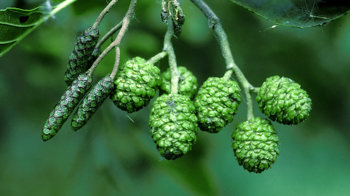
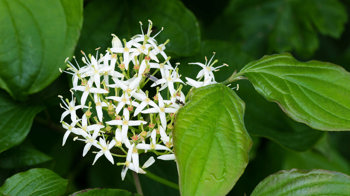
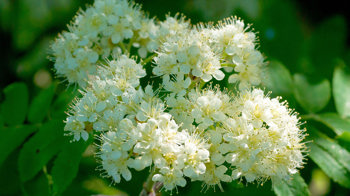
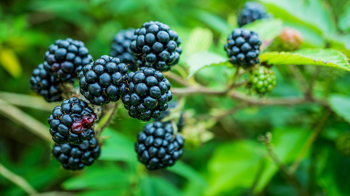
Look out for:



Habitats
We are currently in the process of developing and restoring habitats across the wood. In total, we will be creating approximately 47ha (116 acres) of new woodland, 15ha (37 acres) of wood pasture, 34ha (84 acres) of open grassland and 15ha (37 acres) of wetland habitat.
We will also restore ghost pingo ponds and over 2km (1.2mi) of native hedgerows. Two existing ponds will be managed as part of the wider wetland areas on site.
Explore:
History of Thompson Wood
Green farm
Thompson Wood sits on the former arable fields of Green Farm. The farm buildings, originally built in 1776, still stand today and continue to be used for agricultural activities.
The farming system at Green Farm has changed over time. Before enclosure in 1817, the land was managed under the medieval strip-farming system. Enclosure divided this land into individually-owned fields, marked by hedged fields that we still see today. Ownership has also changed over the years: the farm was owned by Shropham Estate at the time of enclosure, then by the Merton Estate in the early 1990s and was eventually sold to the Woodland Trust in 2021.
Pingo ponds
Thompson Wood sits next to Thompson Common, a Site of Special Scientific Interest (SSSI) managed by the Norfolk Wildlife Trust. Together, they form part of Norfolk Valley Fens Special Area of Conservation (SAC), best known for its rare pingo ponds.
Pingos are remnants of the last ice age, formed around 10,000 years ago. The word pingo comes from the Inuit word for hill. As glaciers retreated, lenses of ice under the soil pressed into the ground. When temperatures warmed, the ice lenses melted, causing the soil to collapse and fill with water, creating the ponds we see today.
Thompson Common contains around 400 pingos, the highest density in the UK, and supports one of the UK’s only populations of the rare Northern pool frog.
Within Thompson Wood there are numerous ghost pingos – ponds that have been filled in or damaged and lost to the environment. The good news is that they can be restored using careful techniques, often resulting in quick ecological recovery. We’ve already begun this work with great success.
Things to do
Thompson Wood has over 1km (0.6mi) of paths and rides. Plans are underway to create a further 4.8km (3mi) of paths, bringing the total to around 6km (3.7mi) and offering the local community an easily accessible woodland to explore.