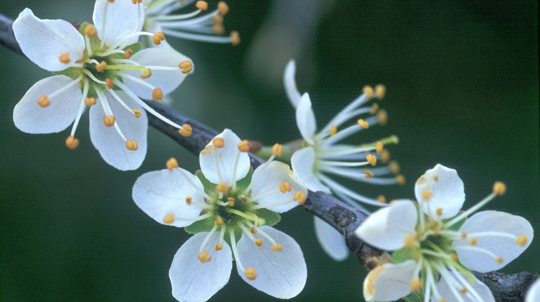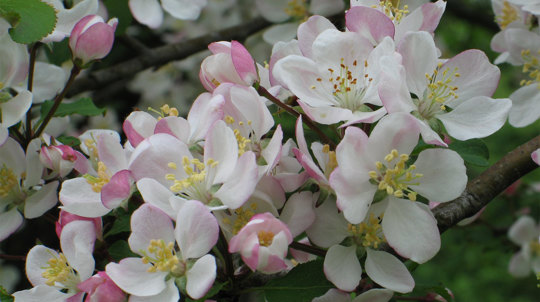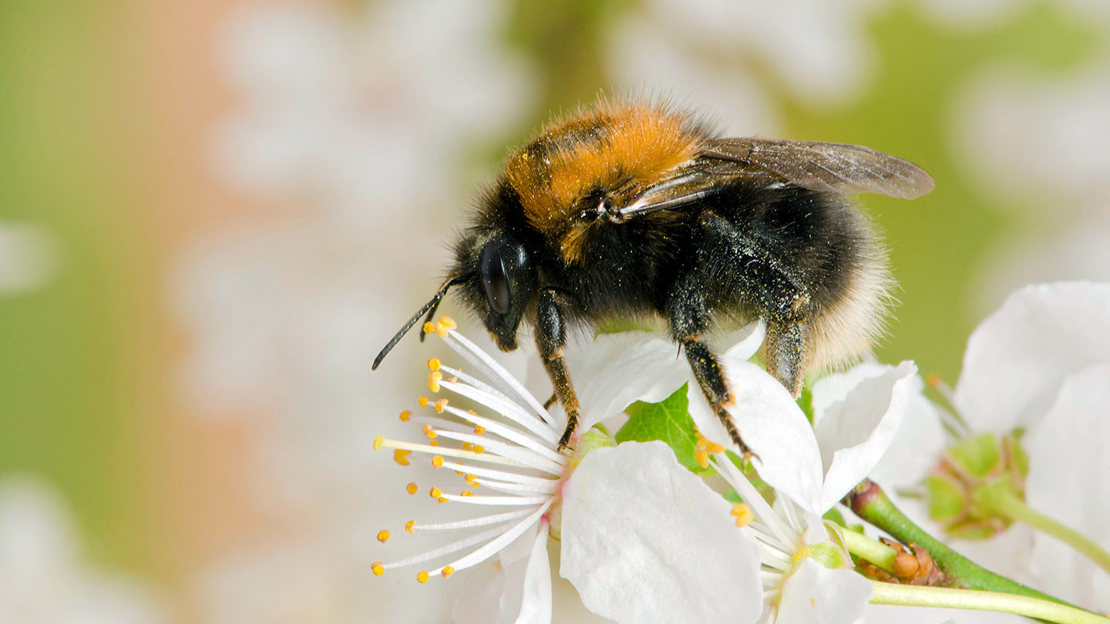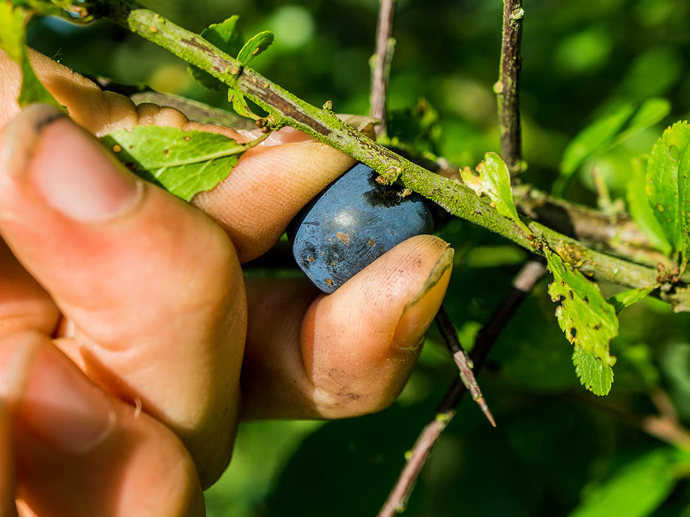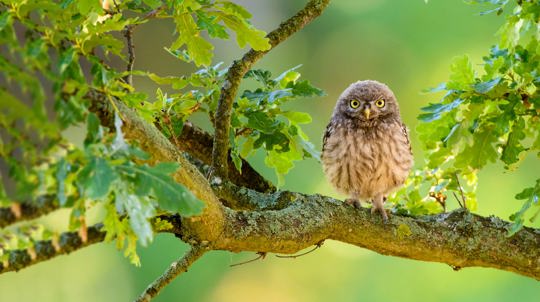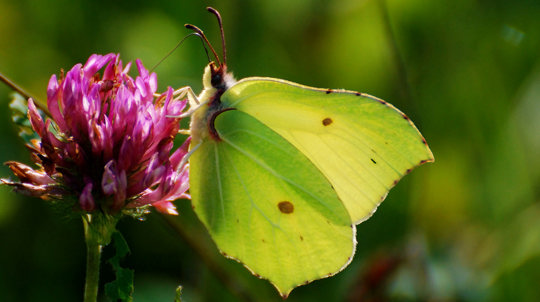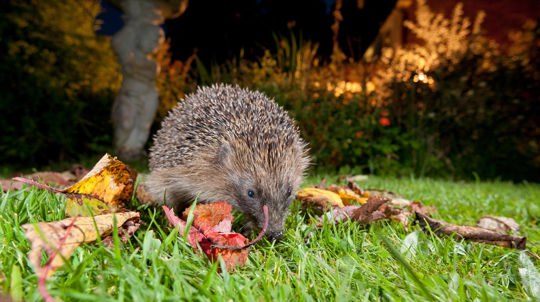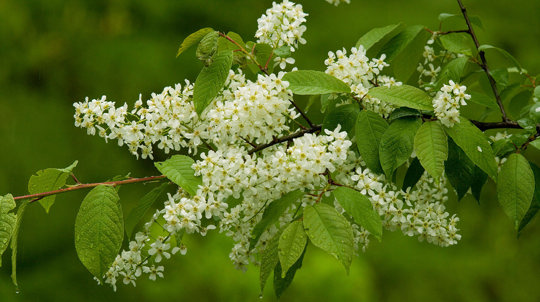
- Blossom appearing
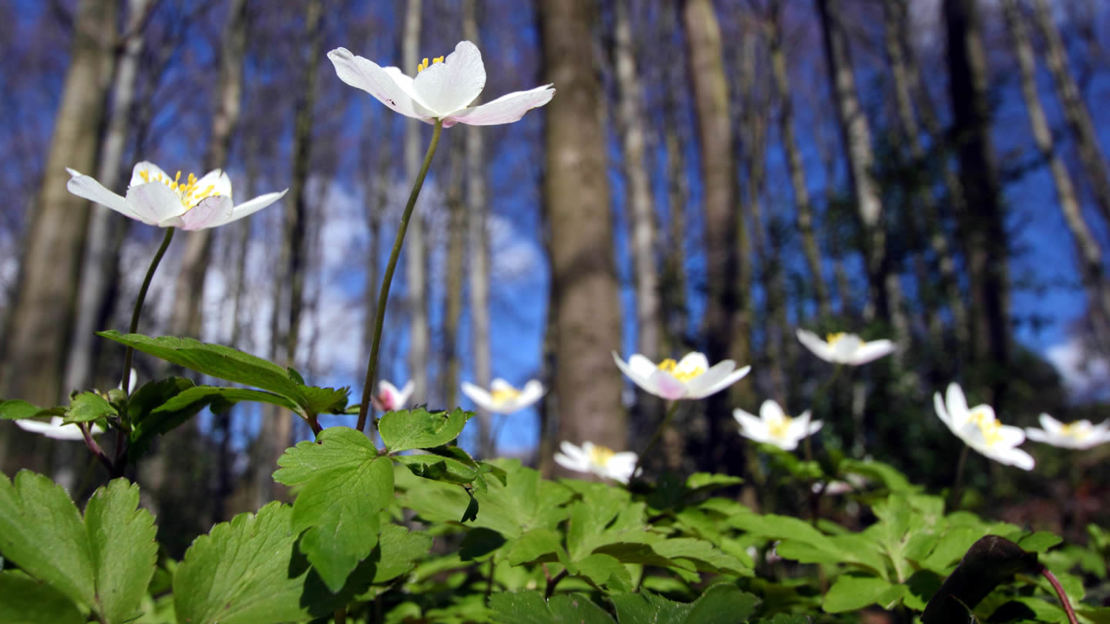
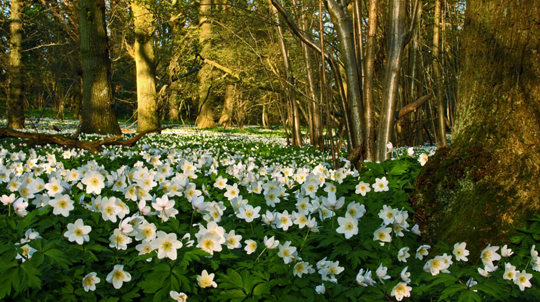
- First flowers blooming
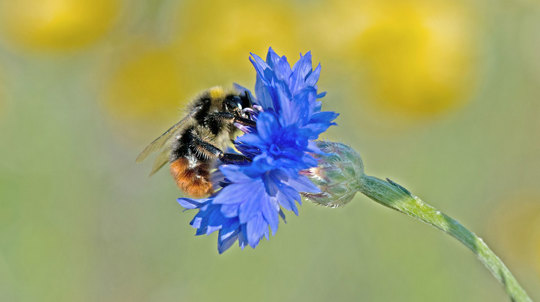
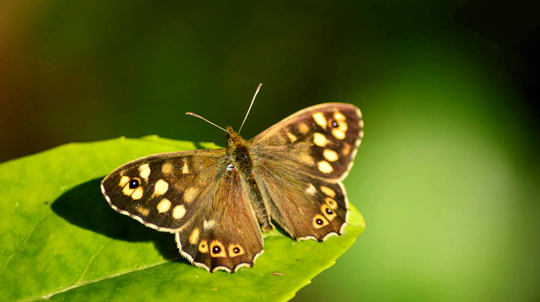
- Insects awakening
- Birds nesting
- Frogspawn floating
First signs of spring in UK nature: what to look for and why it matters
Content manager
Spring is a glorious time in nature. The sights, sounds and smells bring us hope and cheer as new life starts to emerge on these brighter, longer days. Find out when spring really starts, the key signs to look for and how your sightings could help a long-running science project.
When does spring start?
Technically, spring has two start dates:
- Astronomical: normally on 20 March or one day either side, the equinox - when daylight and dark hours become equal - marks the first day of spring (or autumn later in the year). The word equinox comes from the Latin aequus (equal) and nox (night). In 2026 the spring equinox is on 20 March.
- Meteorological: weather scientists split the year into quarters based on annual temperature cycles for statistical purposes. By this method, spring starts on 1 March and lasts until 31 May.
These specific dates won’t necessarily bring the feeling of spring, gracing us with warmer days and bright flowers. In 2018 for example, March was much more winter-like as the Beast from the East blasted the UK with ice and snow, delaying many of the spring events we look forward to. But many signs of spring in the natural world do appear in and around March. Here are some of the changes to look out for.
Why the first signs of spring matter
Telling us about some of your first glimpses of spring doesn't take long but the data is really valuable to scientists. The Nature’s Calendar project tracks the effects of weather and climate change on nature across the UK, including the first time you see frogspawn, certain butterflies or new flowers opening. The project monitors over 150 different events and has records dating all the way back to 1736!
The data recorded provides the clearest evidence of a changing climate affecting wildlife. We can see that spring now arrives in the UK on average nine days earlier than in the early part of last century. Earlier springs can lead to ecological food chains becoming 'mismatched' or out of sync, as each species responds to these changes individually and at different rates. Monitoring these differences provides a powerful early warning of species that could be winners and losers as our climate changes.
The cherry blossom synonymous with spring is not among the early bloomers - its flowers appear in April.
Tree leaves and flowers unfurling
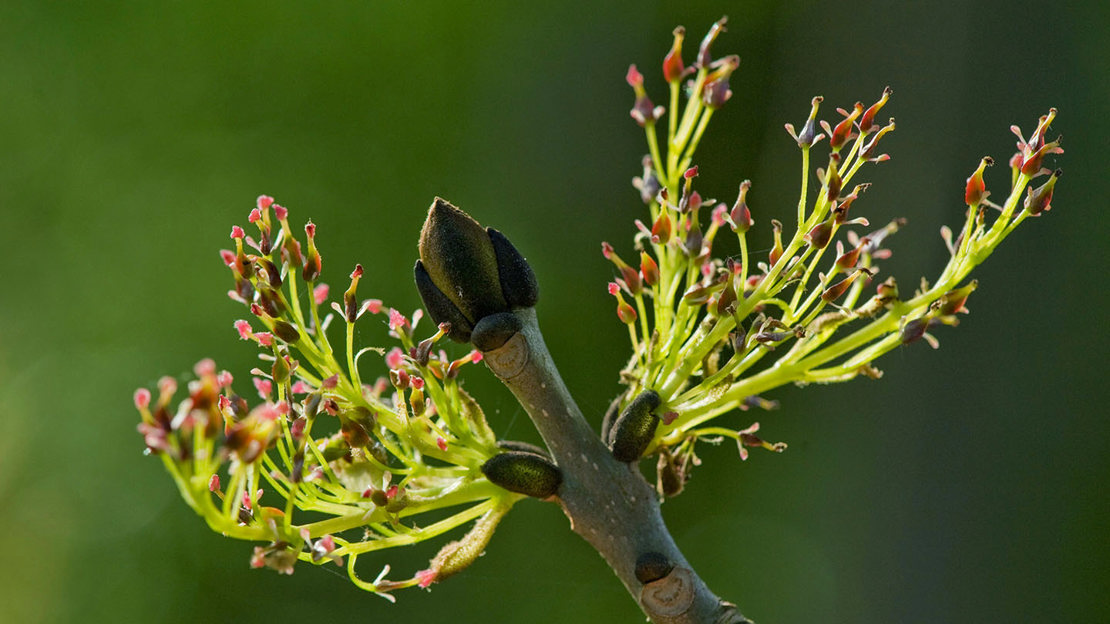
The first leaves and flowers of native trees are one of the surest signs of the changing seasons. As winter turns to spring, the bare, frost-covered branches begin to develop new buds and shoots. In March, watch for:
- ash, beech, oak and rowan buds bursting
- first leaves emerging from alder, field maple and silver birch
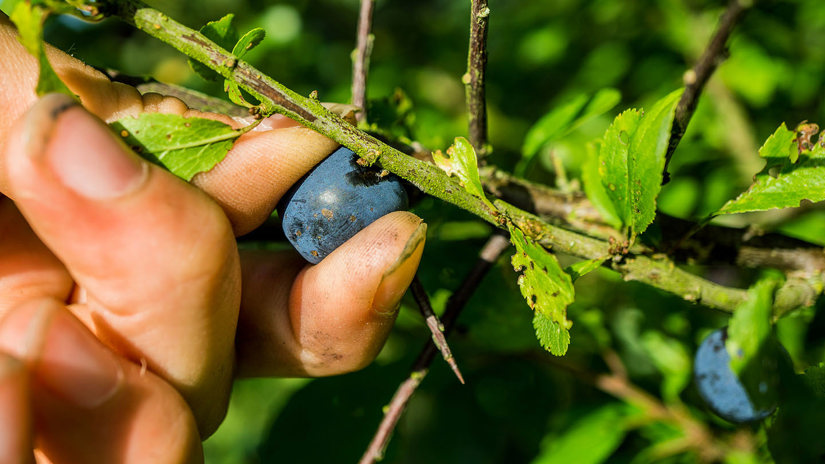
- frothy delicate blossoms of blackthorn and crab apple.
First flowers blooming
Sunny days awaken the first flowers of spring in gardens and green spaces, bringing vibrant yellows, pinks, purples and blues amid vivid green and white. Unmistakable snowdrops and crocuses give way to colt's foot in mid February, followed by wood anemone in early March. Cuckooflower and bluebell begin to bloom later that month, adding to the riot of seasonal colour.
Insects awakening
As the volume and variety of flowers grows, so too does the pollinator population that feeds on them. Influenced by the warming temperatures, the first queen bumblebees begin to emerge from their hibernation around March.
See if you can spot peacock and small tortoiseshell butterflies from late February, followed in March by brimstone, small white, comma and red admiral.
You’ll notice many other creepy crawlies as the weather warms up too, including beetles, spiders and ladybirds.
Birdsong filling the air is the soundtrack to spring and the dawn chorus is one of the earliest signs of the season. Discover the dawn chorus.
Birds arriving and nesting
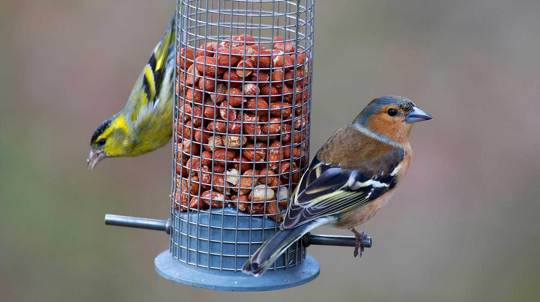
What birds are the first sign of spring? Keep your eyes peeled to spot migratory birds as they return to the UK after winters in warmer climes. Look out for these early arrivals in March:
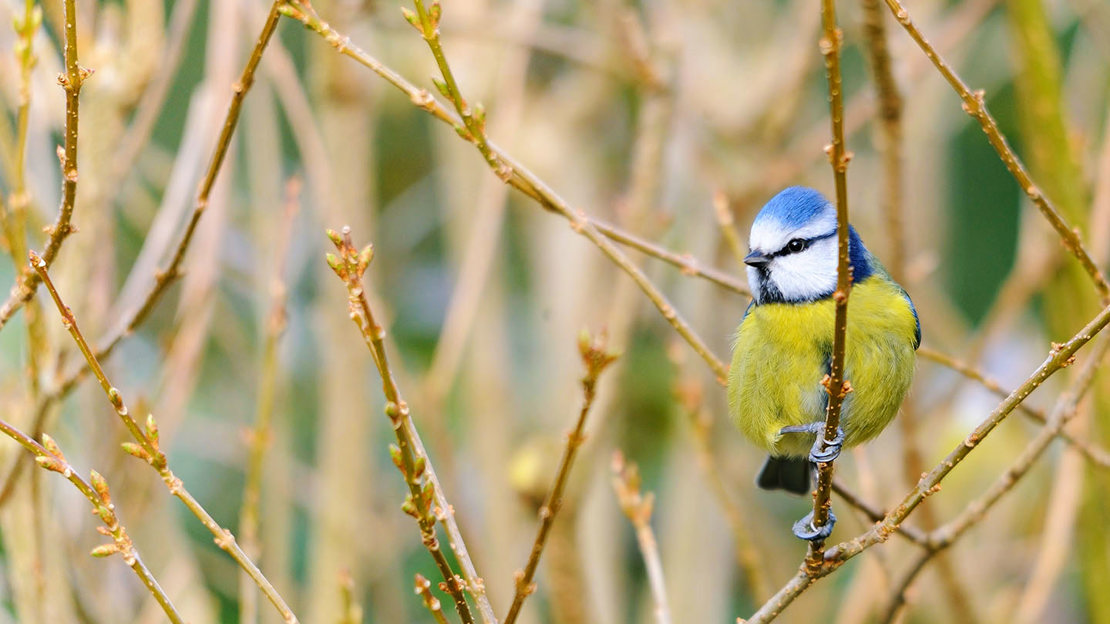
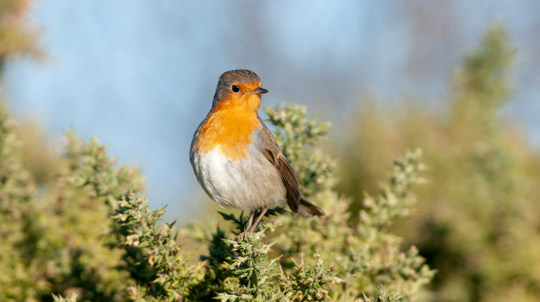
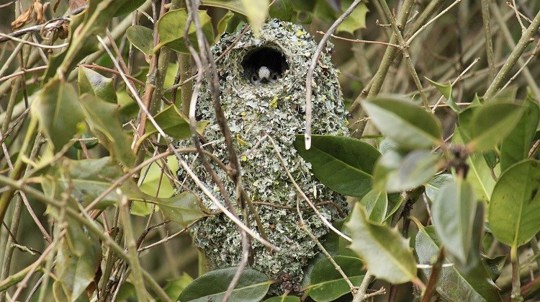
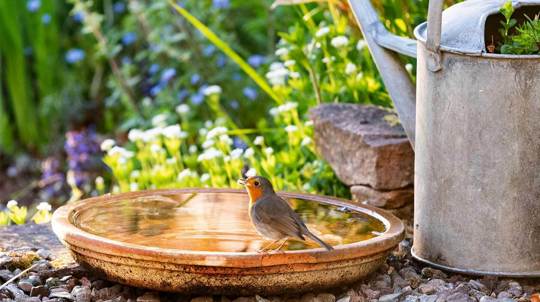
Our year-round residents can also be spotted preparing to breed as the seasons change. Blackbirds and blue tits start to build their nests from late February, and great tits from early March.
Each female frog lays thousands of eggs!
Frogspawn frenzy
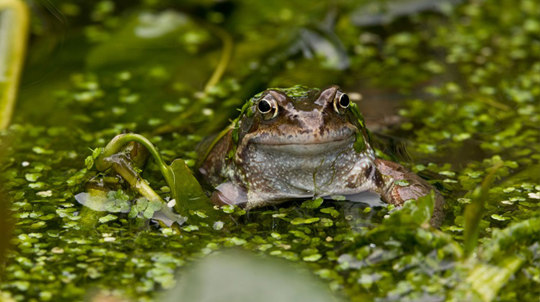
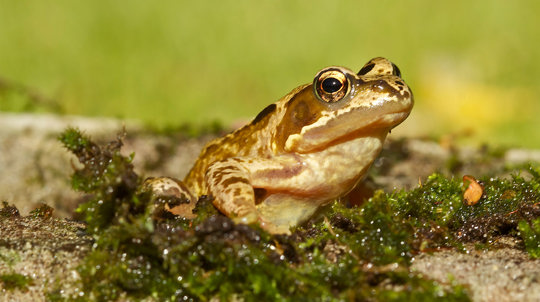
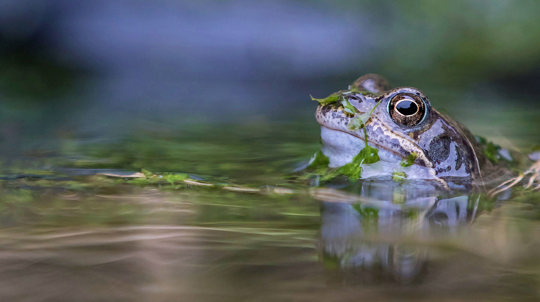
After hibernating through winter in compost heaps, piles of deadwood or at the bottom of ponds, frogs re-emerge as temperatures warm. Breeding begins immediately as they cluster around ponds in the hope of finding a mate. Depending on the weather and region, you might spot frogspawn as early as January, especially further south. By March, you should be able to spot frogspawn across the UK and might even see the first tadpoles of the year.
Help us track how nature is changing
You could help add to Nature's Calendar's important data. Anyone can volunteer, anywhere in the UK to tell us about seasonal changes where you live or work. By taking just a few minutes to share what you see, you'll be adding to years' worth of important data. Every record is crucial and valid. We couldn't do this work without you!
Check what's been spotted where you live with our live map that displays all the events recorded for Nature's Calendar.
Spot the signs of the seasons
Have you seen your first butterfly or swallow of spring? Or your first ripening berry or autumn leaf tint? Let us know what's happening to animals and plants near you and help scientists track the effects of climate change on wildlife.
Top spots to see the first signs of spring
The beauty of these natural events is that they happen all around us - there’s no need to travel any great distance. Keep a close eye and ear on:
- your garden, balcony or window box
- street trees
- green spaces like parks and nature reserves
- local woods.
This blog was originally published on 19 February 2021 and was last updated on 20 March 2026 to include new information.
Enjoy spring signs in your outdoor space
Make your garden a haven for wildlife with our handy tips and guides.