

Go exploring
Primordial landscapes, tangled branches, breathtaking wildlife and miles of woodland trails. From the countryside to cities, we care for thousands of woods throughout the UK, all free to visit.

Volunteer recruitment officer
The delicate white blooms of snowdrop (Galanthus nivalis) bring joy to the winter months. They're a symbol of hope and a sure sign that warmer weather is on the way. Find out when you can expect to see these special flowers, the best places to look for them and how your snowdrop sightings could help a long-running science project.
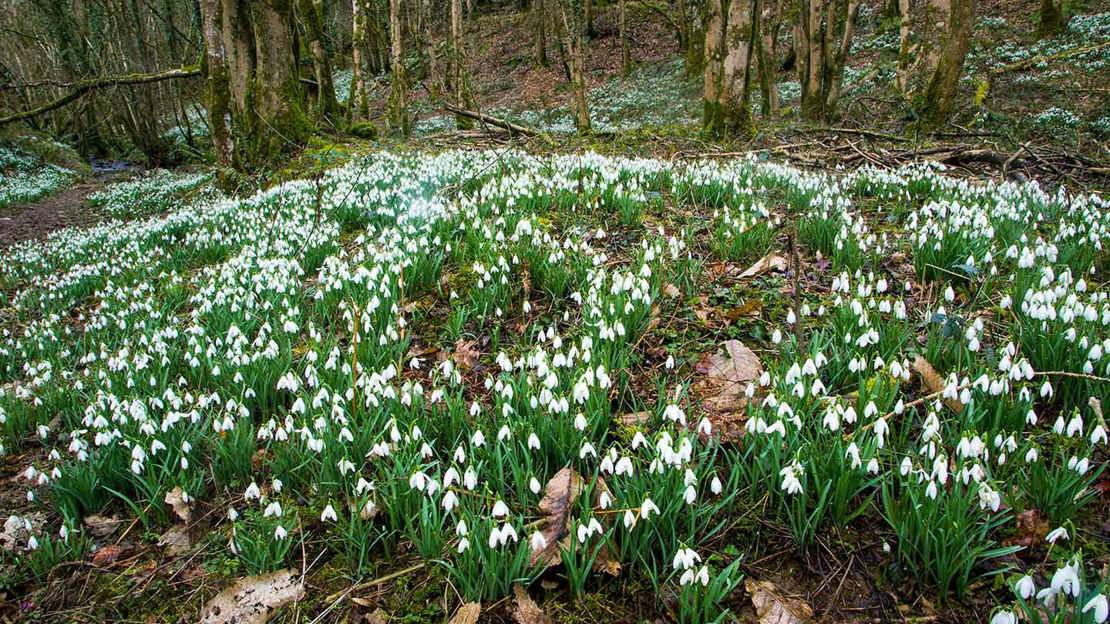
Snowdrops generally bloom from January to March, but the exact timing depends on the weather and where you live in the UK. In warmer winters, they have been seen in December and even as early as mid-November, so it's worth keeping your eyes peeled before Christmas, especially if you live in the south of the UK.
Average date snowdrops first flower in the UK
Nature’s Calendar 2001-2025 average
Snowdrops grow in many places across the UK. Look for them in parks, gardens, woodland and meadows, and alongside roads and riverbanks.
Snowdrops grace the woodland floor at many of our sites. Check out these top spots for a snowdrop walk, or find a wood near you.
Primordial landscapes, tangled branches, breathtaking wildlife and miles of woodland trails. From the countryside to cities, we care for thousands of woods throughout the UK, all free to visit.
Our citizen science project, Nature’s Calendar, tracks the effects of weather and climate change on nature across the UK, including when snowdrops first flower. This is one of over 150 different events monitored for the project, which has records dating all the way back to 1736!
You could help add to this important data. Anyone can volunteer, anywhere in the UK to help us notice seasonal changes where you live or work. Join thousands of people recording for Nature's Calendar and tell us when you see snowdrops flower. By taking just a few minutes to share what you see, you'll be adding to years' worth of important data. Every record is crucial and valid. We couldn't do this work without you!
Check what's been spotted where you live with our live map that displays all the events recorded for Nature's Calendar.
Logging these first flowers doesn't take long but the data is really valuable to scientists. Analysis of Nature’s Calendar snowdrop records has shown a relationship between temperature and when snowdrops start flowering. For every 1°C warmer the average January temperature is, the date that snowdrops first flower advances by three days. And comparing Nature’s Calendar snowdrop data with data from the Royal Meteorological Society from 1937-1947 shows that snowdrop flowering is now earlier than it was in the mid-20th century.
Let us know what's happening to animals and plants near you and help scientists track the effects of climate change on wildlife.
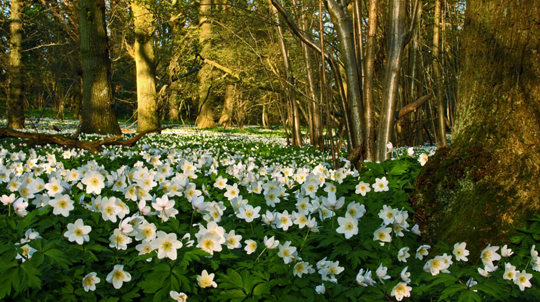
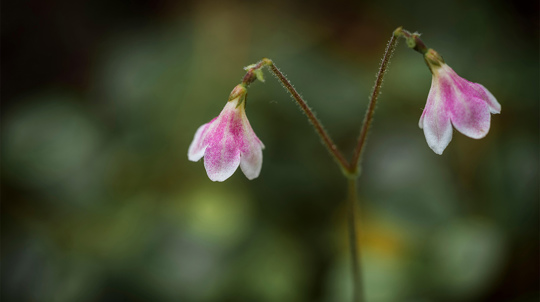
Explore Nature's CalendarIf you enjoyed searching for snowdrops, there are plenty of other early spring flowers to look out for!
You can also download our poster to find out which species to record throughout the year, from beetles and butterflies to fungi and frogspawn.
Trees woods and wildlife
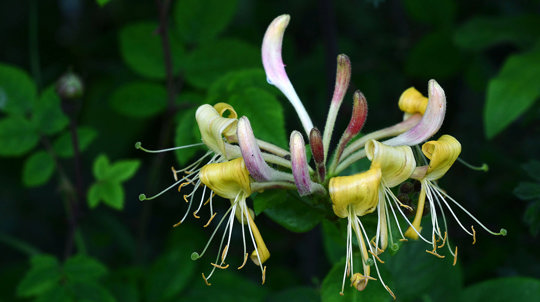
From dazzling bluebells to weird and wonderful orchids, find out which wild flowers you might see on a woodland walk and how to identify them.
Blog
Charlie Mellor • 16 Feb 2026
Blog
Charlotte Varela • 13 May 2025