Size: 195 ha (481.9 acres)
Grid reference: TF 36138 81516


Size: 195 ha (481.9 acres)
Grid reference: TF 36138 81516
Thanks to our generous supporters, a bright future awaits this stunning ancient woodland in the Lincolnshire Wolds Area of Outstanding Natural Beauty (AONB).
Located just a stone’s throw from the Georgian market town of Louth, this vast site spans 195 hectares and is home to regionally rare wildlife including breeding ravens, agile goshawks and delicate white admiral butterflies.
Over the past 50 years, the woodland has been clear-felled and planted with non-native conifers for commercial purposes. Following a successful fundraising campaign, we were able to purchase the site and have already begun work to restore this precious and irreplaceable ancient woodland to a vibrant, healthy haven for people and wildlife.
While we are undertaking essential tree work to ensure the site is safe, the woodland will remain closed to the public. We hope to welcome visitors from April 2026.
Harrison Woodlands is located within the Lincolnshire Wolds Area of Outstanding Natural Beauty (AONB), approximately 21km (13 miles) southeast of the Georgian market town of Louth and 79km (49 miles) northeast of Grantham.
While we are undertaking important tree work, this wood is closed to visitors. We hope to open this superb site to the public in April 2026, at which point we will provide more details about how to reach the wood.

We are in the process of creating a path network and will provide more details when the site is open to the public in April 2026.
Details about parking will be made available once the wood is open to visitors.
The closest public toilet facilities are found in Louth town centre.
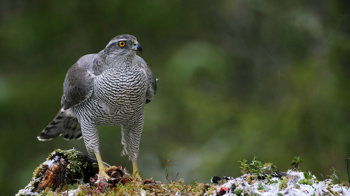
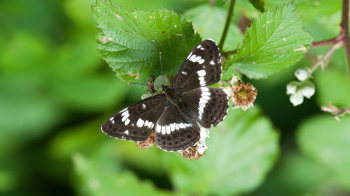
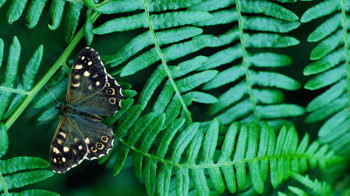
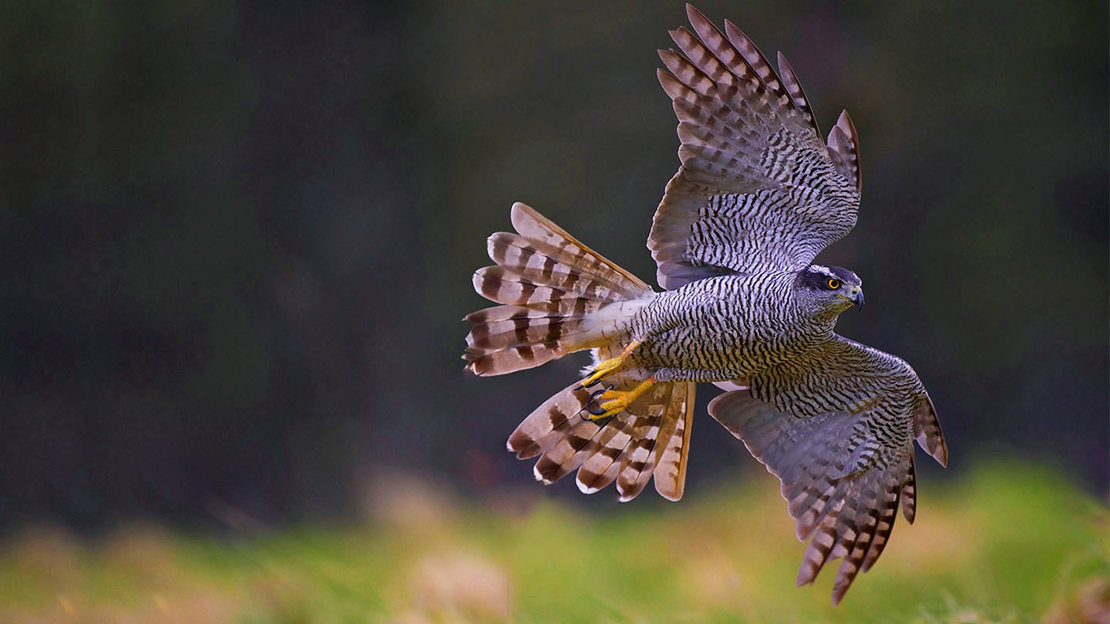
The woodland is home to fascinating wildlife, including intermittently breeding goshawks. Look out for these high-speed hunters weaving in and out of the trees. In recent years, a pair of ravens began breeding in Harrison Woodlands – a cause for celebration, as these are one of only a few breeding pairs in the region. This is also one of the rare places in Lincolnshire where white admiral butterflies are found. Spot them gliding delicately in the dappled shade.
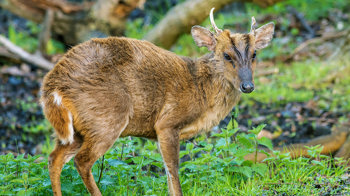
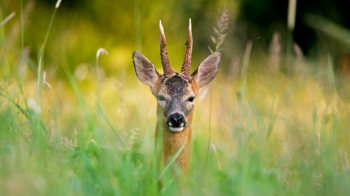
As we nurture the ancient woodland back to health, we expect more wildlife to move in. Nearby woods shelter woodcock, goldcrest, woodpecker and several species of bat, which we will encourage to return to the restored habitats of Harrison Woodlands.
Look out for:
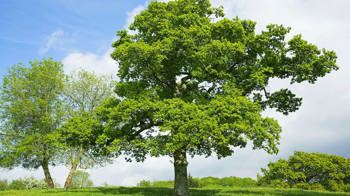
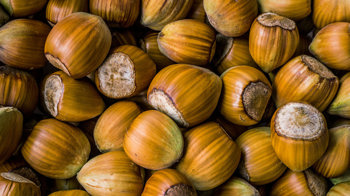
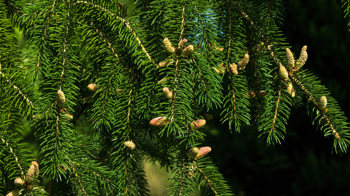
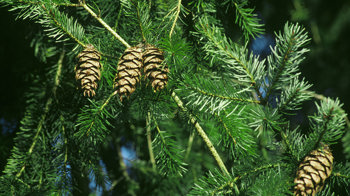
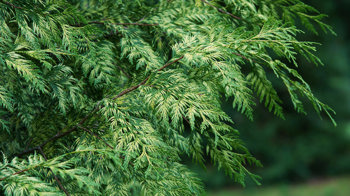
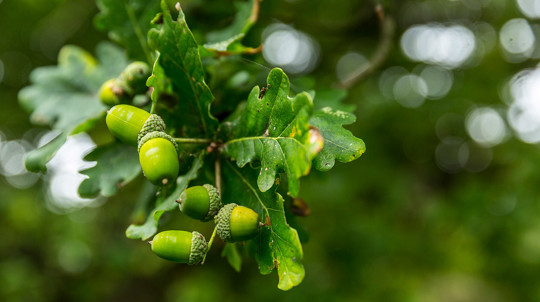
A diverse mix of trees are found in Harrison Woodlands, from broadleaved woods of ash, oak and beech to non-native conifer plantations of Norway spruce, Douglas fir and Western red cedar. A dense understorey of hazel provides shelter for butterflies, birds and small mammals.
The gradual thinning of conifers will allow more light to reach the forest floor, encouraging the return of vibrant wildflowers typical of ancient woodlands. These include wood anemone, woodruff, moschatel, bluebell, early purple orchid, broad-leaved helleborine and butterfly orchid, all of which bloom in a nearby wood, spelling hope that we can bring these species back to Harrison Woodlands.
Look out for:
Harrison Woodlands is a Planted Ancient Woodland Site (PAWS) with a mix of conifer and broadleaved woodland habitats. The ancient soils hold the potential to support a vast array of diverse life, but the wood is currently in poor ecological condition.
A narrow valley with a stream runs along the edge of the site, pooling into two large ponds to the south. A nearby chalk stream network feeds several more shallow ponds to the west.
Explore:
This ancient woodland site is steeped in fascinating history and is even recorded in the Domesday book. Nestled among the trees are two late Neolithic to late Bronze Age bowl barrows. These scheduled ancient monuments mark the site of a Neolithic burial ground!
During the last 50 years, the site has been managed for commercial timber purposes. Thanks to the amazing generosity of our supporters, we have taken this precious wood under our wing and have begun vital restoration work.


This precious ancient woodland site was brought safely under our wing thanks to your generosity, but we still need support to secure its future. Find out how you can help to save this wood for people and wildlife.
Once this site opens to the public in April 2026, visitors can explore a network of paths and wander alongside native wildlife.
Visiting woods
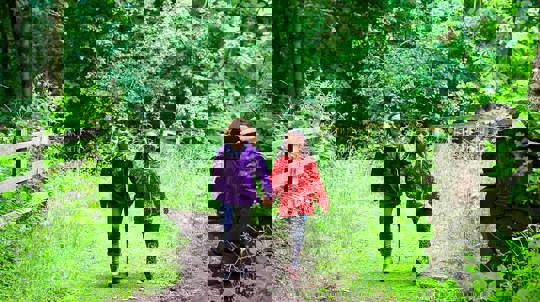
Taking a walk in the woods is the easiest way to enjoy the outdoors and get closer to nature.
Visiting woods
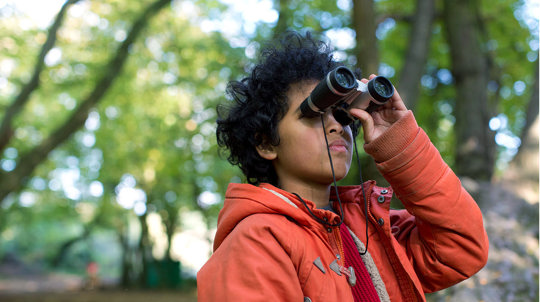
Go on an adventure. Get closer to nature. Uncover history. Discover ways to explore the UK's woods whatever the season.

Visiting woods
Dogs are welcome for walkies in our woods. Take a look at our tips and guidelines for ensuring we keep our woods safe and special for dogs and wildlife.
Other woods nearby