No room at home?
If you don’t have suitable outdoor space where you live, explore other options – perhaps where you work, at your child’s school or another local green space.

Content manager
Spring is full of wonder and optimism. The days are getting longer and warmer and nature is bursting with activity as many species gear up for a new breeding season. We can all do something to make a difference for wildlife this spring, from a single simple action to an ongoing commitment, at home or further afield. Check out our guide to help local wildlife where you live.
If you don’t have suitable outdoor space where you live, explore other options – perhaps where you work, at your child’s school or another local green space.
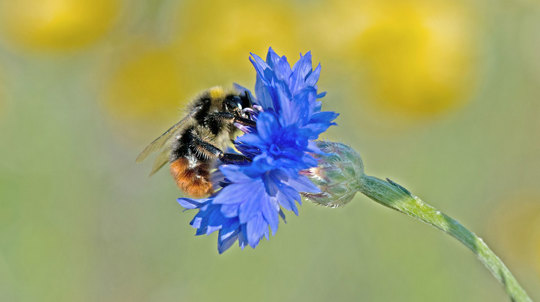
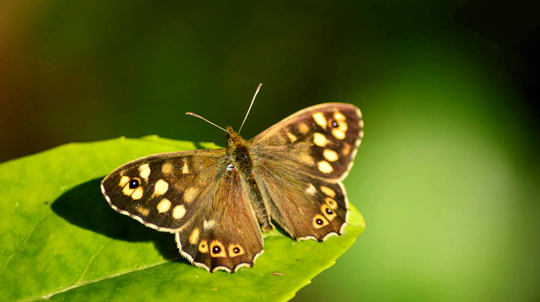
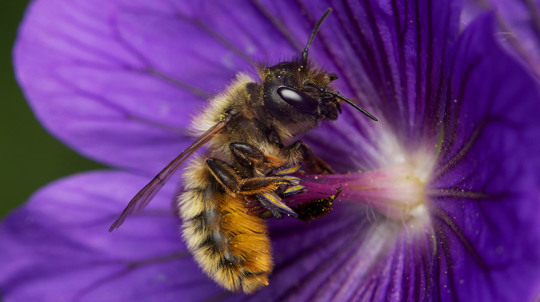
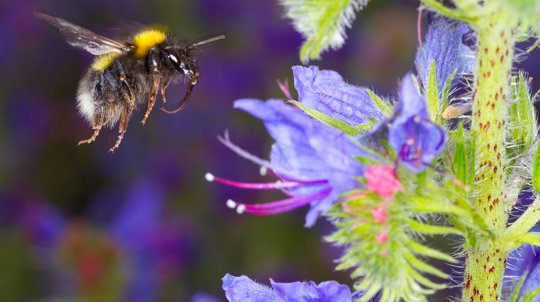
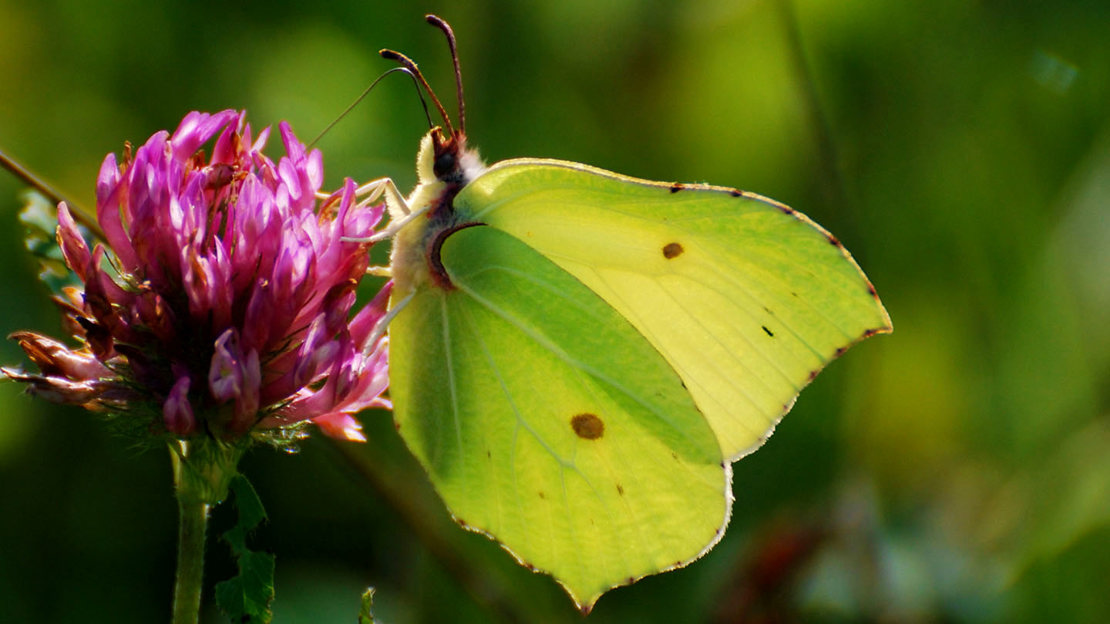
Influenced by warm, sunny days and the increasing volume and variety of flowers, the air will soon buzz with pollinators essential to our ecosystem and food production.
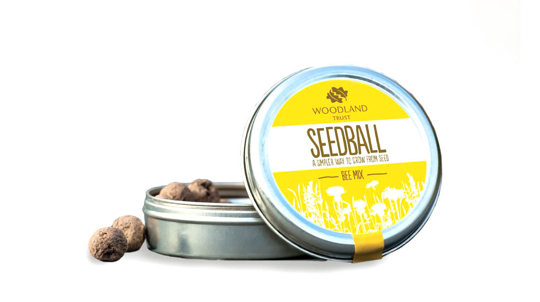
Some of the best plants to attract bees and butterflies in spring are native wildflower species, like viper's bugloss, red clover and wild marjoram. You can grow them easily with seedballs which can be scattered anywhere - even a 30cm container on your balcony or doorstep. They can sprout in just four weeks and with several seeds packed into each small ball, this quick and simple action can create a valuable feeding station for passing pollinators. If you have more room, spread a whole pack across one spot to transform your patch into a mini meadow that’s a magnet for bees, butterflies and other insects.
Shop
Our range is easy to grow and brilliant for birds, bees and butterflies.
External link
Blog
Charlotte Varela • 31 Jul 2023
Blog
Amy Lewis • 22 Jul 2019
Blog
Charlotte Varela • 26 Apr 2023
Blog
Helen Keating • 18 Mar 2019
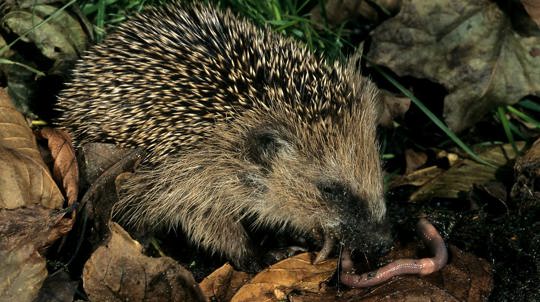
Hedgehogs can travel about 2km each night.
Hedgehogs will be hungry and thirsty as they emerge from their winter sleep so will appreciate water and food. Meat-based cat or dog food or special hedgehog food are the best options.
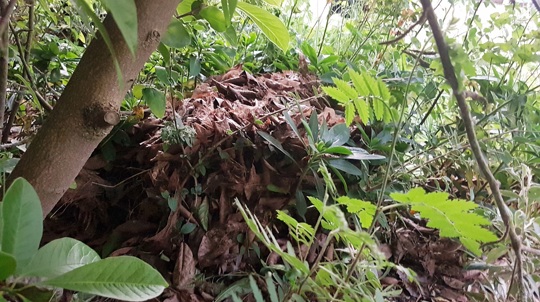
To make your garden safe for hedgehogs waking from hibernation, switch any chemicals like weedkiller and slug pellets to organic options. Help them hunt for worms and insects by adding a log pile to a quiet corner and helping them to enter and leave your garden easily. Adding gaps of at least 13cm x 13cm, known as a 'hedgehog highway', means they can travel freely in search of food and mates.
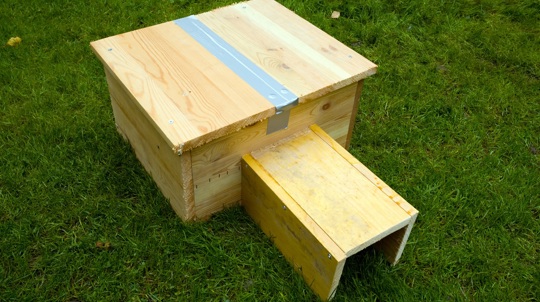
Hedgehogs will soon start looking for safe nesting sites ready to begin breeding around May. Give them a helping hand by leaving sticks, dry leaves and other materials, or buy or make a hedgehog house.
If you're involved with an educational establishment, local authority or not-for-profit community group, you could be eligible for our free tree packs. Find out more and apply today.
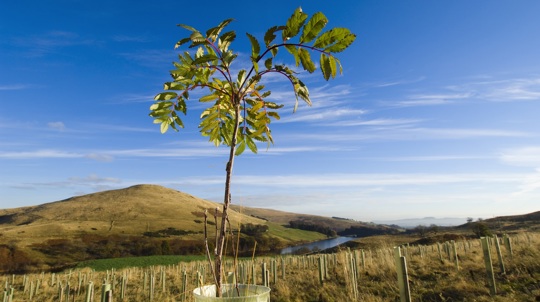
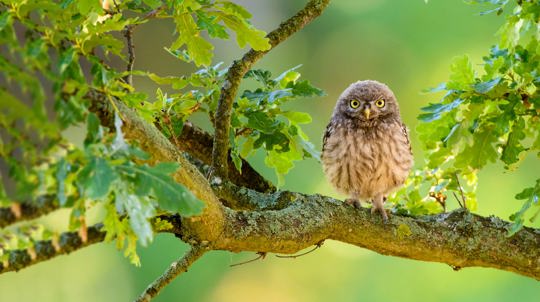
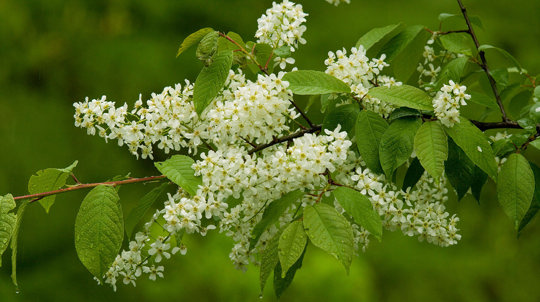
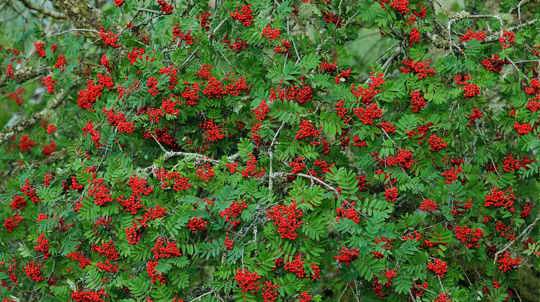
Native trees and shrubs have immense benefits for wildlife – that's why our woods are so full of life. Leaves, flowers, bark and branches are home to a whole host of species. Don't doubt the positive impact of planting a single tree on your patch. Insects will feed on the leaves and pollen, and birds will eat those insects and may build their nests among the foliage. The right trees and plants in the right place may even attract squirrels, bats and other animals. Saplings planted now will increase in wildlife value with every spring that follows, as well as bringing beauty, protection from the elements and wellbeing benefits.
Shop
We have single trees and tree packs to meet your needs, from wildlife to woodfuel. Delivery is free.
External link
Blog
Charlie Mellor • 02 May 2023

Blog
Charlie Mellor • 09 Mar 2026

Plant trees
Thinking of planting trees, but need some help? Explore advice on choosing the right tree species, location, how to plant and aftercare.
Blog
Helen Keating • 08 Nov 2021
Blog
Helen Keating • 23 May 2023
Blog
Charlie Mellor • 20 Sept 2024
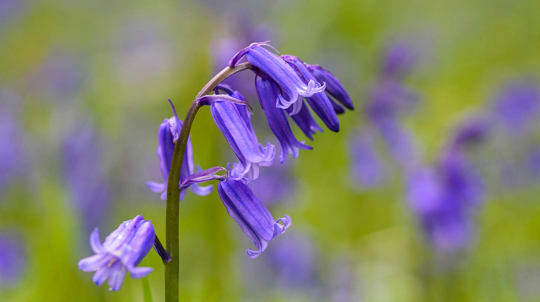
Spring is a fantastic time to explore the great outdoors as nature bounces back to life and shows off all its new colours and textures. Lush new leaves stretch out among the treetops, vibrant wildflowers carpet the ground and the air is filled with the sound of scampering, buzzing and birdsong. You can help wildlife during your visit, including ground nesting birds and precious flowers, with simple actions like sticking to paths, keeping dogs on leads and taking litter home.

Visiting woods
Our woods are home to amazing plants and animals and they're all free for people to enjoy responsibly. Show them you care with our top tips for your visit.
Visiting woods
Search thousands of woods across the UK and gather information on the local facilities, features, wildlife and history in the area.
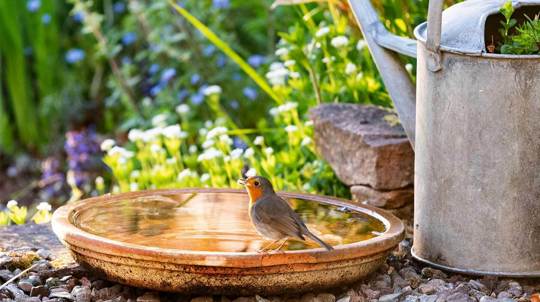
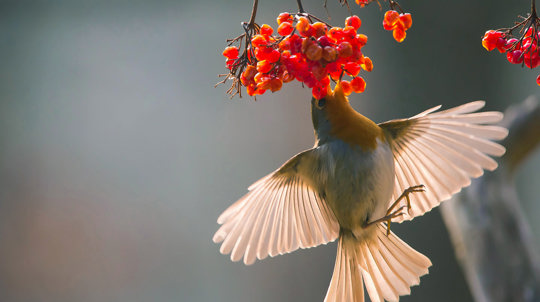
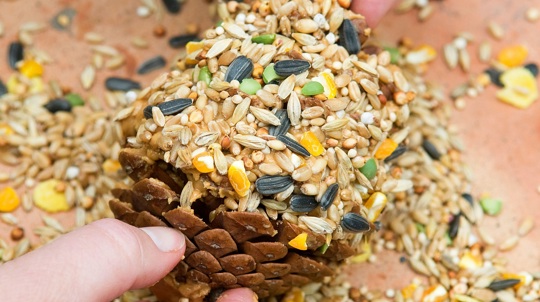
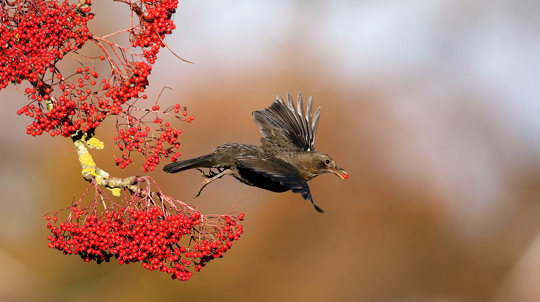
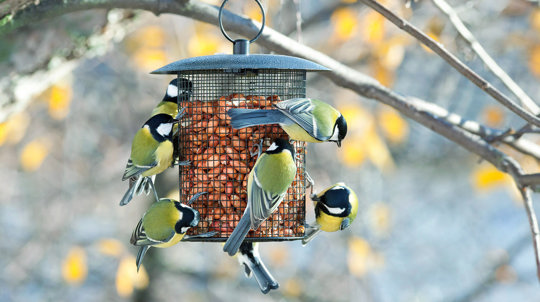
One of the most common ways to help wildlife in your area is to provide food and water for birds, especially in winter when conditions are tough. It’s equally important in spring, especially early in the season when nights can still be freezing and natural food sources haven't yet replenished. Extra food can help restore birds like robins and blue tits to good condition for breeding and give them the energy they need to mate, nest and raise chicks. Newly fledged birds will likely enjoy an easy access buffet on their doorstep too.
Shop
Lend nature a hand with extra food and water for our feathered friends. Discover our range.
External link
Blog
Rachel Hoskins • 01 Dec 2019
Blog
Amy Lewis • 15 Jan 2019
Blog
James Martin • 28 Jun 2019
Blog
Kayleigh Jacobs-Rutter • 29 Apr 2025
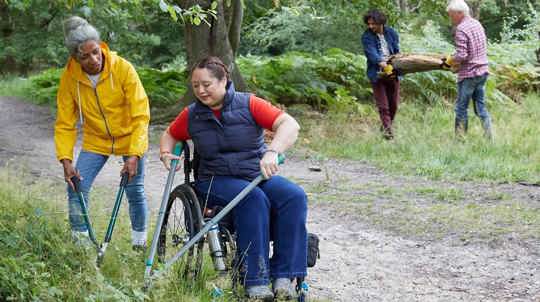
With warmer, longer days, spring is a perfect time to try volunteering in our woods. Enjoy nature in all its glory and make an enormous difference for wildlife by helping us to plant and care for woods and trees across the UK. You could take on a regular role to help with monitoring wildlife, practical woodland management and much more.
Volunteering doesn't have to be a huge commitment – you could start small by planting trees at a one-off event, or tell us what you see happening in your garden with Nature's Calendar.
Support us
Every year, thousands of people give their precious time to help us protect and care for woods and trees.

Visiting woods
Help monitor the effects of climate change on wildlife near you. Your records contribute to a growing body of scientific evidence on global warming.
Visiting woods
Ancient trees need special care and protection. There are thousands of ancient trees in the UK and we need your help to tell us where they are with the Ancient Tree Inventory.
Before mowing, always check your lawn for any wildlife like frogs, hedgehogs and lizards that could be harmed.
Our lawns are mini wildlife reserves and longer grass helps lots of species. Insects and invertebrates are an important food source for birds, while common lawn plants like clover and dandelion can be a lifesaver for bees and butterflies.
Grass grows when soil temperatures are above 6C. Our Nature’s Calendar records show that on average, UK gardeners first mow after winter on 19 March, though in some parts of the UK they may mow all year. Could you wait a little longer between mows, leave an area of lawn to grow wild, or even take part in Plantlife’s annual No Mow May campaign? Keep a close eye on the life in your lawn and you could be surprised at the difference.
Shop
Explore woodland creepy crawlies. From bugs and beetles to snails and spiders.
External link

Blog
Annabel Kemp • 01 Apr 2026
Blog
Charlotte Varela • 09 Oct 2023

Blog
Charlotte Varela • 30 Oct 2024
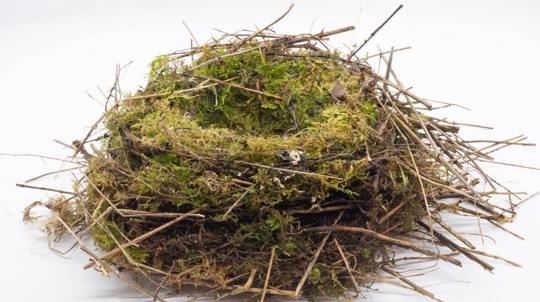
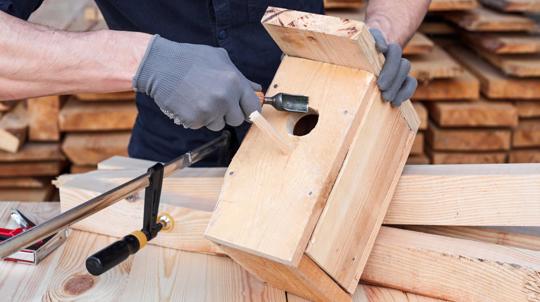
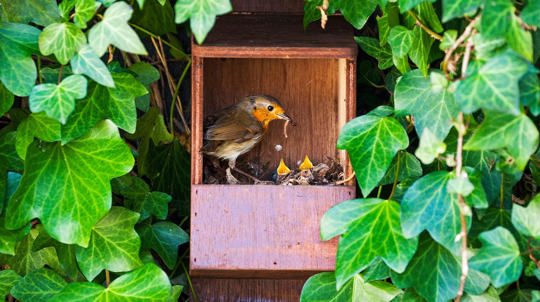
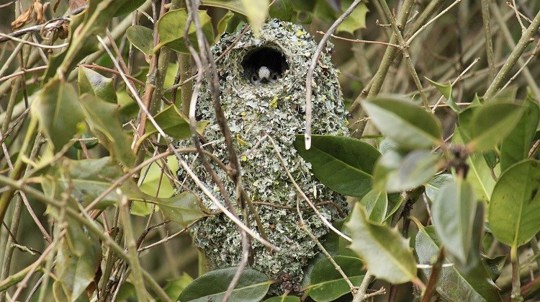
Spring is peak bird breeding season. As well as offering places to nest – in trees or nest boxes – you can lend a helping hand with building supplies for their new home. Different birds use different construction methods and materials, so try to offer a selection in small piles or packed loosely in hanging bird feeders. Useful items include twigs, leaves and other plant debris from pruning, moss raked from the lawn, feathers and straw. Swallows, house martins and blackbirds use mud to build their nests, so a muddy puddle or pond edge could entice more visitors too.
Blog
Hanako Shimada • 26 Jan 2026
Blog
Hannah Vickers • 25 Feb 2021
Blog
Hannah Vickers • 08 Feb 2019
Blog
Hannah Vickers • 22 Jul 2020
Blog
Hannah Vickers • 17 Jan 2019
Blog
Amy Lewis • 12 Feb 2019
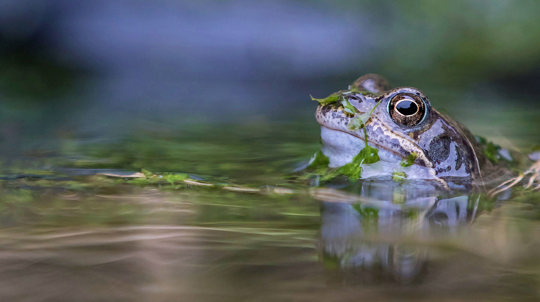
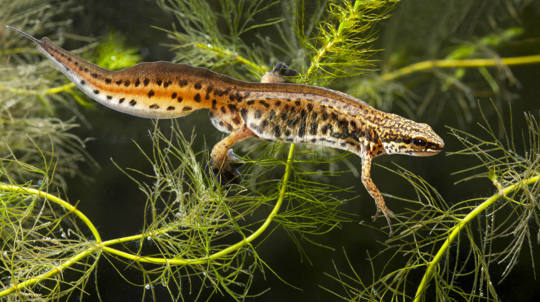
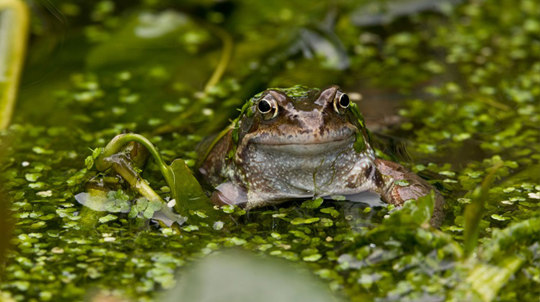
A pond can make a world of difference for wildlife and needn’t be big or over-complicated – you can use a half barrel, large plant pot or even a washing up bowl, as long as animals can get in and out safely. A clean watering hole can be a priceless drinking and bathing spot for birds, bats, dragonflies and mammals. Frogs may even move in during the first year! It's a brilliant way to attract spring wildlife to your garden.
Whether you sink it into the ground or keep a container on the surface, add plants around one edge to create some shade and a safe hiding spot, then fill with rainwater. Choose an aquatic plant or two for inside the pond too, making sure they're not invasive species in the UK - native species are best if you can. Don’t forget to make a sturdy entry and exit point with wood, bricks or stones, including from the deepest point in case any animals slip all the way in.
Blog
Charlotte Varela • 19 Mar 2024
Blog
Amy Lewis • 19 Feb 2020
Blog
Karen Hornigold • 18 Apr 2019
Blog
Charlotte Varela • 23 Feb 2024
Trees woods and wildlife
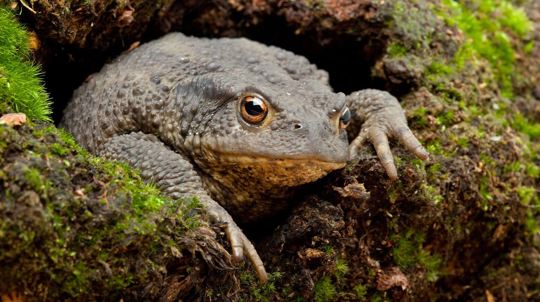
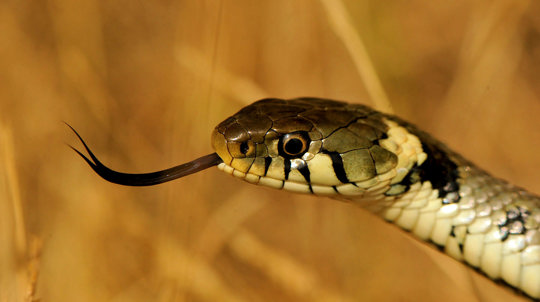
Explore more about these cold-blooded creatures that live along woodland edges, glades, ditches and ponds.
Please don't take fallen logs from woods - decaying wood is an essential part of the woodland ecosystem. Ask neighbours, friends or even local tree surgeons instead.
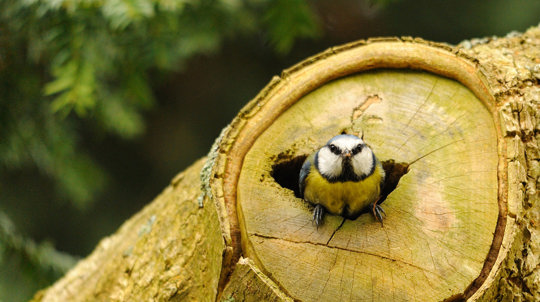
Boost biodiversity in your outdoor space with a log pile. Placed in a quiet, shady area, the nooks and crannies will provide smaller species with refuge from hot spring and summer sunshine as well as a safe spot to hibernate when winter comes. Packed with woodlice, spiders, beetles and centipedes, it will prove an irresistible hunting ground for hedgehogs, frogs, toads, shrews and birds too.
Log piles are easy to make and can be kept anywhere, from a carefully created focal point for your garden to a bundle quickly tucked behind a shed. You can stand them vertically in planters too. Bury logs a little way into the soil to keep them damp and help attract more species.
Trees woods and wildlife
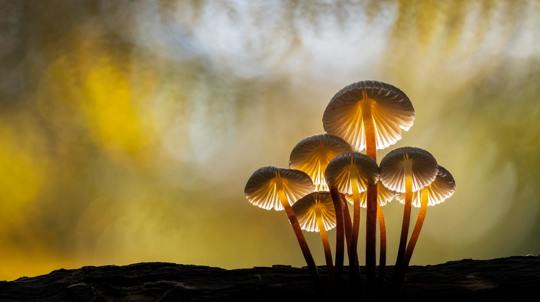
Dead and decaying wood is one of any woodland's most important microhabitats. Learn more about why we need more of it, as well as the rare and endangered beetles, colourful fungi and other threatened wildlife that relies on it.

Blog
Danielle Wesley • 13 May 2019
Trees woods and wildlife
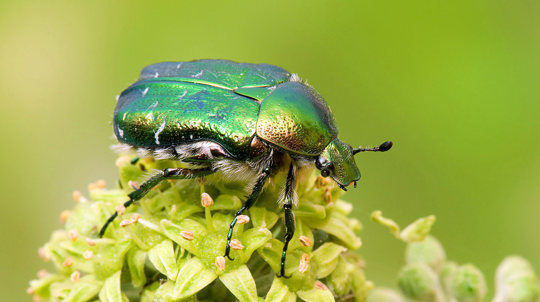
Get the lowdown on woodland beetles that rely on trees and the woodland ecosystem, from decaying wood to dead animals.
This blog was originally published on 1 March 2023 and was last updated on 7 April 2026 to include new information.
Give garden wildlife food and shelter with our ready-made habitats and feeders.
Shop the range