Nature's Calendar
Help monitor the effects of climate change on wildlife near you. Your records contribute to a growing body of evidence on global warming.

Citizen science assistant
Whether you love or hate maintaining your lawn, mowing is normally needed between March and October. Find out what impacts when to mow the lawn, our top tips for cutting grass after winter and how the timing could help a long-running science project.

It’s likely you’ll need to start mowing your lawn during March. The first mowing date will generally depend on:
Average date of first lawn cut in the UK
According to 34,000 Nature’s Calendar records 2000-2025
Records from our citizen science project, Nature’s Calendar, illustrate how the weather influences our grass cutting habits. The Beast from the East in early 2018 brought widespread snow and low temperatures, delaying the average first lawn cut to six days after the benchmark year (2001). In contrast, a mild start to 2019 resulted in early grass growth, with the average date being 21 days earlier than the benchmark year. The average date of lawn first cut in 2019 was just one day later than our earliest average on record, which was 9 March in 2007.
The Nature’s Calendar project tracks the effects of weather and climate change on nature across the UK, including first grass cutting dates. This is one of over 150 different events monitored for the project, which has records dating all the way back to 1736!
Our citizen scientists have been documenting when they first mow the lawn since 2000 and you could help add to this important data. We couldn't do this work without you and it only takes a few minutes. Join the thousands of people recording for Nature's Calendar and tell us when you first cut your lawn.
Check what's been spotted where you live with our live map that displays all the events recorded for Nature's Calendar.
Help monitor the effects of climate change on wildlife near you. Your records contribute to a growing body of evidence on global warming.
Grass is one of the earliest plants to grow in spring - it starts growing when soil temperature goes above 6C. It's one of the last to stop growing in winter too, so knowing if grass still needs mowing tells us a lot about the length of the growing season.
The Met Office has estimated that the growing season has increased by at least a month compared to 1961-90. In some areas, grass is growing all year round. This is an important indicator of the effects of climate change. Regional differences are vast, but on average over 7% of our recorders don't stop cutting grass - they mow throughout winter.
Climate change is not only influencing our mowing regimes, it’s increasing the pressure on our wildlife too and more species are looking to our gardens for food and shelter. These mini wildlife reserves can become precious habitats for them to thrive.
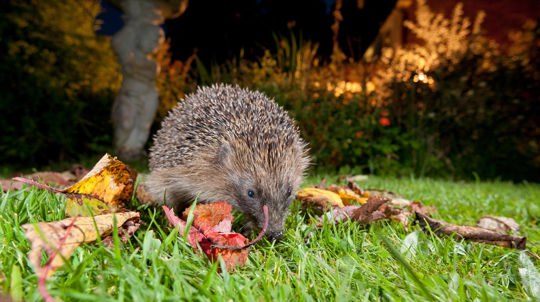
Before you mow, be sure to scout your lawn for any animals that could be harmed. Hedgehogs in particular like to curl up in long grass and may otherwise go unnoticed.
Alternatively, why not leave some of your lawn to grow longer through the summer to support local wildlife? Perhaps you have an area that could be given over to wildflowers? Or try piling grass cuttings with leaves and dead wood in an unused corner to create the perfect place for hedgehogs to hibernate and adult butterflies to overwinter.

Blog
Becca Smith • 07 Oct 2022
Blog
Charlie Mellor • 20 Sept 2024
Blog
Helen Keating • 08 Nov 2021

Plant trees
Thinking of planting trees, but need some help? Explore advice on choosing the right tree species, location, how to plant and aftercare.
Blog
Charlie Mellor • 16 Feb 2026
Blog
Charlie Mellor • 07 Mar 2024
Blog
Danielle Wesley • 18 Aug 2021
Blog
Hannah Vickers • 22 Jul 2020