Discover everything you need to know to build a DIY bug hotel and learn how to support insects and other minibeasts in your garden or outdoor space.

Invertebrates need safe places to shelter, hide from predators and breed. You can help them by building a bug hotel. Our simple step-by-step guide explains the materials you’ll need, the best time to make a bug house and where to build it.

We’ve got lots of ideas to suit your space, from large bug hotels that will house lots of creatures to small, cosy shelters that don’t take up much room. Let’s get started.

What materials do you need to build a bug hotel?

You can make an inviting bug house using materials recycled from your home or garden, along with natural items that replicate wild habitats.

  • Wooden pallets – untreated wood is safer for wildlife.
  • Old bricks, plant pots and roof tiles.
  • Logs, twigs and fallen branches.
  • Hollow plant stems or bamboo canes.
  • Pieces of bark.
  • Dry fallen leaves.
  • Pine cones.
  • Rocks and pebbles.
  • Straw or hay.

When is the best time to build a bug hotel?

You can build a bug hotel at any time of year, but autumn is ideal. Natural materials like leaves and twigs are in abundance, and many creepy crawlies are seeking cosy places to hibernate.

Where is the best place to put a bug hotel?

Choose a quiet, undisturbed area that provides shelter from wind and rain. Different creatures have different needs: woodlice and centipedes like cool, dark, damp places while solitary bees prefer warm, sunny spots. If possible, place your bug hotel somewhere that offers both shade and sun to benefit different species.

How to build a large bug hotel – step-by-step guide

If you’ve got plenty of space, a large bug house provides heaps of hiding places that will attract lots of different invertebrates.

1. Start by building a sturdy frame

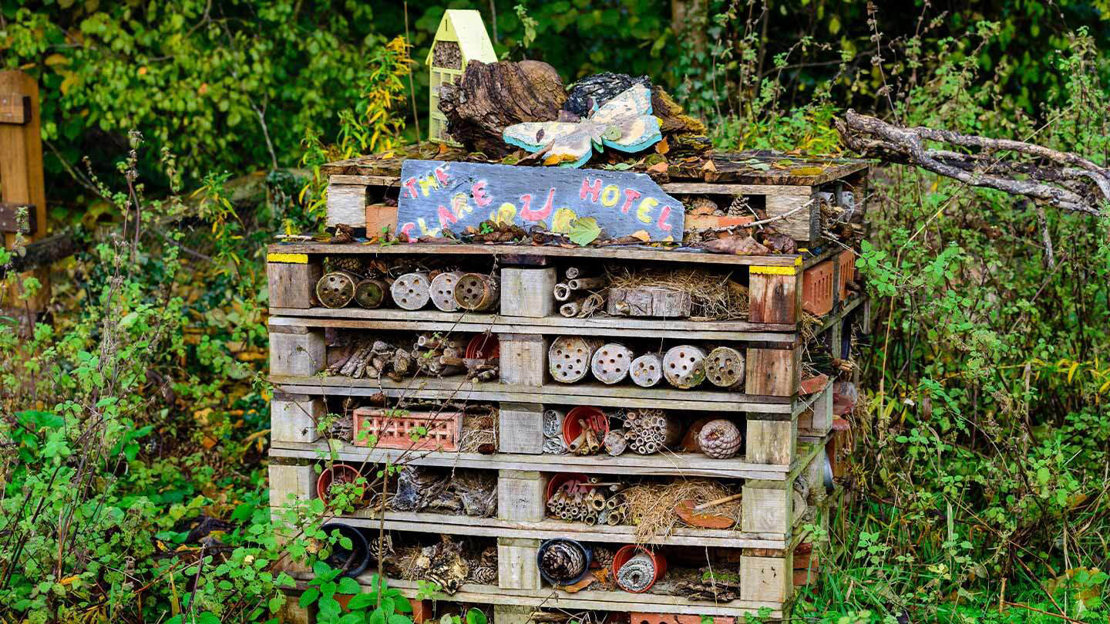
Place some bricks on a flat, firm base to support the corners of your bug hotel and stack four or five wooden pallets on top.

2. Fill the gaps with different materials

Add bigger items first, like bricks, plant pots and roof tiles. Then add bundles of twigs or piles of pines cones. Finally, stuff small gaps with dead leaves and straw. The aim is to create lots of cosy nooks and crannies where creatures will feel safe and sheltered.

  • Bits of bark and deadwood will be irresistible to beetles, woodlice and spiders.
  • Fill dark spaces with damp leaf litter to appeal to centipedes and millipedes.
  • Dry leaves and pine cones are ideal for overwintering ladybirds.
  • Leave a few larger dry cavities to provide havens for hibernating butterflies, such as peacock and small tortoiseshell.
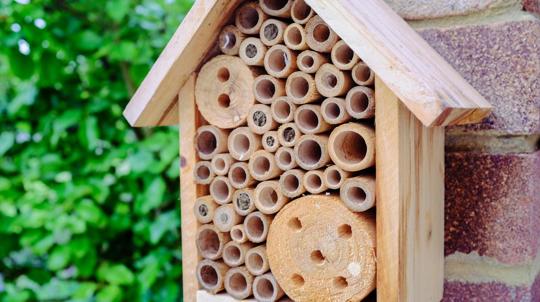
  • Place hollow stems or pieces of wood drilled with holes in sunny, south-facing spots to attract solitary bees. In spring, the bees will crawl inside the tiny tunnels to lay their eggs before sealing the ends with mud or leaves.
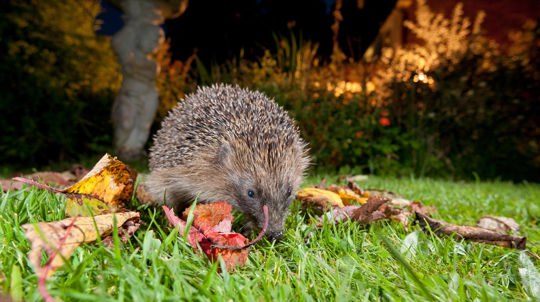
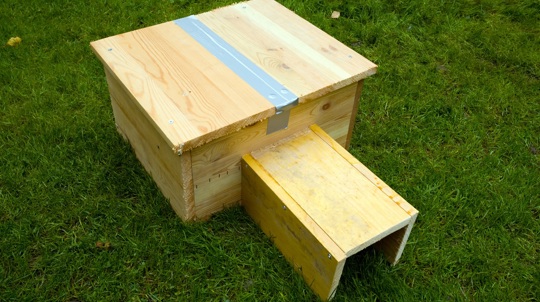
  • Leave a gap in the bottom of your bug hotel to provide a snug space for hibernating hedgehogs.
  • Piles of rocks or logs in the base will also offer frost-free refuge for frogs and toads during their winter torpor.

3. Create a roof for your bug hotel to keep out the rain

Fix old tiles or a large piece of wood covered in roofing felt on top of the frame. To make it even more wildlife-friendly, you could make a living roof with turf or wildflowers!

Explore the world of minibeasts

Bug hotel ideas for smaller gardens

Bug houses don't need to be grand. If you’re short on outdoor space, these mini lodgings will make an impact and provide vital shelter for all sorts of minibeasts.

Credit: Oksana Schmidt / Alamy Stock Photo

Old tins, plant pots or mugs

Washed-out tins and terracotta plant pots fit perfectly on balconies or small patios. You can even use old crockery like mugs. Stuff your chosen item with sticks and leaves to accommodate creepy crawlies, or pack it tightly with bamboo canes to attract nesting solitary bees. Position it on its side, tilted down slightly so it doesn’t fill with rainwater.

Credit: Kayleigh Jacobs-Rutter

Mini log stack

Decaying wood is crucial for some species, but it’s often cleared away in tidy gardens. Pile up a small stack of logs or crumbling sticks in a damp, shady corner, then stuff dead leaves in the nooks and crannies to make it cosy. As well as enticing beetles, centipedes and woodlice, it might attract birds, frogs and hedgehogs looking for a tasty snack!

Credit: Danielle Wesley

A pile of pine cones

Stash some pine cones in a quiet corner of your shed or garage to provide a winter shelter for ladybirds and lacewings. Bundle them together closely so the scales interlock a bit and stuff dried leaves in the gaps – creatures will feel safe hunkered down in the crevices.

Why are bug hotels important for protecting wildlife?

Did you know there are around 25 million gardens in the UK? That’s a lot of space for nature! They’re home to thousands of invertebrate species that pollinate plants, control pests, keep soil healthy and play vital roles in lots of food chains. When you build a bug house, you’re not just supporting the minibeasts on your doorstep, you’re helping the whole ecosystem thrive.

Short on time? You can still make a difference

Check out our ready-made wildlife habitats including bug houses, bird feeders and nest boxes.

Shop the range

Discover more ways to help wildlife at home