

Quick fact
Some plant species are a good indication that a woodland is ancient. These are known as ‘ancient woodland indicators’ and many will feature in the garden.

Garden designer
I’m thrilled to have designed a garden for the Woodland Trust at the 2026 RHS Chelsea Flower Show. As well as the striking visual impact that visitors and viewers have come to expect from the prestigious show, this garden will convey a crucial message about the urgent need to protect and restore our precious ancient woods. Discover what the garden will look like, the story behind it and how you can get involved.
The show attracts over 160,000 visitors and millions of viewers from around the world. That means designing at RHS Chelsea is a chance to influence wider discussions about ecology and conservation, as well as about garden making. This project isn’t just about design — it’s about amplifying an urgent regeneration story.
Working with the Trust for this garden feels especially meaningful. Trees and woodlands have shaped my design philosophy from the start of my career and I designed the Trust’s ‘49% garden’ at RHS Flower Show Tatton Park in 2024. It’s one of the projects I’m most proud of, sparking vital conversations about the loss of trees outside woods. When the opportunity arose to work with the Trust again, I couldn’t refuse.
We’re fortunate to have the opportunity to bring the plight of ancient woodland to the heart of this world-famous event. Our garden is sponsored by Project Giving Back with support from Lloyds Banking Group, Hillier Nurseries, Whitkirk and Niwaki.

Ancient woods are irreplaceable havens of biodiversity and one of our richest habitats. Following the World Wars, many were cleared and densely replanted with fast-growing, non-native conifers for much-needed timber. These sites became known as Plantations on Ancient Woodland Sites (PAWS). But without light, variety of species or traditional management, biodiversity plummeted and the true identity of these woods retreated into the soils. We call these our forgotten forests. Many of the plantations are now ready to fell and harvest, giving us one last chance to rescue the remains of ancient woodland hidden beneath them.
The garden will showcase how we can gradually restore the ancient woods concealed beneath conifer plantations. It will represent hundreds of Trust projects across the UK nursing these irreplaceable habitats back to health.
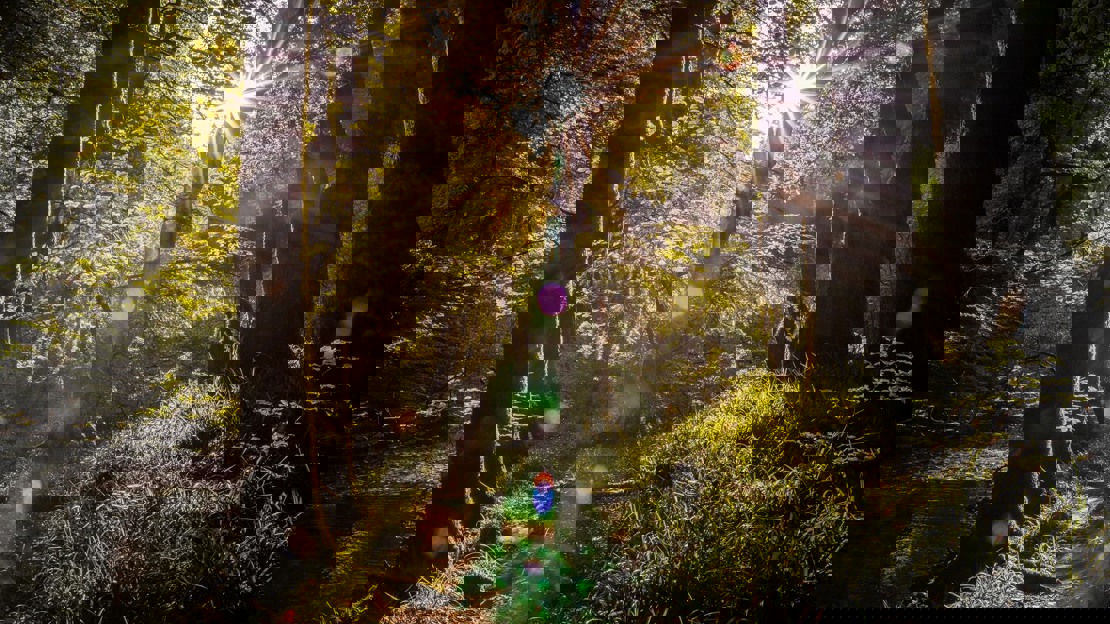
Visitors will go on a journey through damaged ancient woodland, following a gradual transition from dense, dark conifer forest into a regenerated, thriving woodland bursting with life, colour and beauty. A winding path, meandering streams and dry stone walls will weave through the landscape so visitors really feel as if they’re in a woodland. We want to inspire them to appreciate our priceless ancient woods and to play a part in their rescue.

Some plant species are a good indication that a woodland is ancient. These are known as ‘ancient woodland indicators’ and many will feature in the garden.
The garden celebrates native woodland plants and trees. As well as sharing our important message, the display will demonstrate how visitors can plant native flora at home for a garden that supports local wildlife and is beautiful too.
Through five different types of habitat, our range of fabulous native trees and plants will include:
Although the show is open for just five days, the planning started over 18 months ago. We submitted our application to the RHS in June 2025 followed by months of design, planning, budgeting and working with suppliers ahead of the show.
We’ll have just 10 days to build the garden on site, so it’ll be all-hands-on-deck to get it show ready. I’ll lead a team of about 16 contractors, planters and volunteers all working hard to bring the design to life.
I’m excited to return to RHS Chelsea with the Forgotten Forests Garden and hope its story inspires all our visitors to value ancient woodland, understand the need to protect it and add their name to the Forgotten Forests petition.
Buy tickets to see the garden at RHS Chelsea 19-23 May 2026 and sign the petition today.
Voice your support for an urgent rescue plan for our vanishing ancient woods.
Contact your minister