Did you know?
Giant hogweed comes from southwest Asia and was first reported in the wild in the UK in 1828 in Cambridgeshire.

Digital content editor
You may have heard about the dangers of giant hogweed – a non-native invasive plant which can cause burns. So we’ve put together the facts for you, from identification to staying safe.
Giant hogweed (Heracleum mantegazzianum) is a plant in the Apiaceae family (previously known as the Umbelliferae). This family includes some well-known plants such as parsley, carrot, parsnip, cumin and coriander.
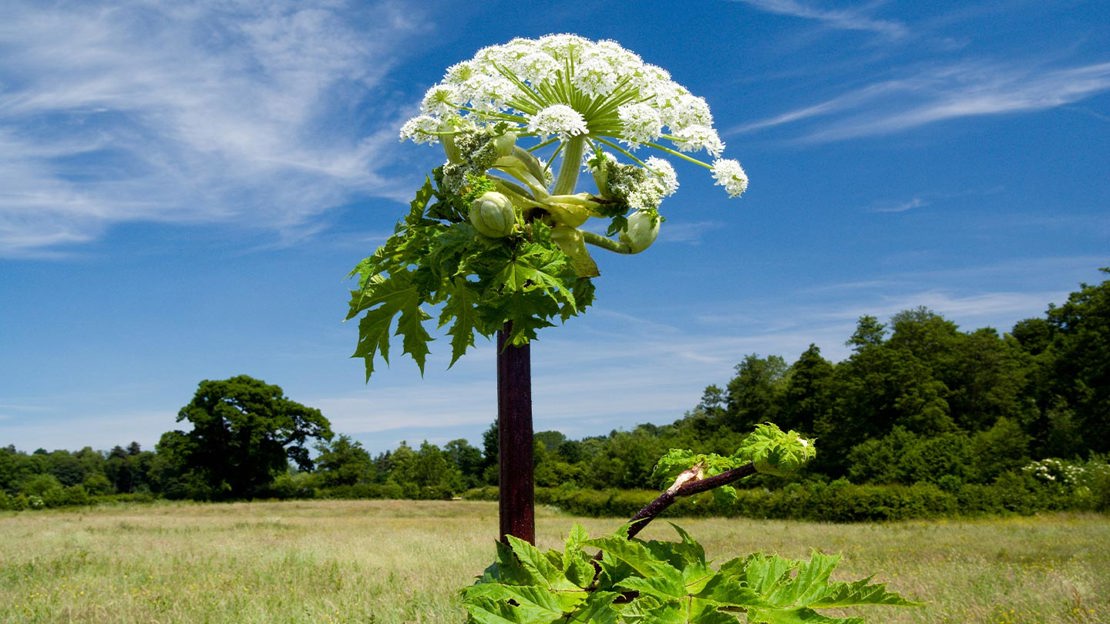
Giant hogweed comes from southwest Asia and was first reported in the wild in the UK in 1828 in Cambridgeshire.
Giant hogweed is not native to the UK. It originates from the Caucasus Mountains and Central Asia. It was first introduced to the UK as an ornamental in the 19th century when it escaped and naturalised in the wild. It is now classed as an invasive species and can be found throughout much of the UK, especially colonising river banks where its seeds are transported by the water.
Common names: giant hogweed, giant cow parsnip, cartwheel plant, the Hog
Scientific name: Heracleum mantegazzianum
Family: Apiaceae
Habitat: derelict gardens, neglected urban places and waste ground, on rubbish tips, roadsides and by streams and rivers.
Flowering season: June and July.
Height: up to 5m.
Origin: UK non-native (native to southwest Asia).
Giant hogweed looks like an enormous cow parsley plant. When it's fully grown, it can reach towering heights of 1.5–5m and have a spread of 1–2m. It forms a rosette of jagged, lobed leaves in the first year before sending up a flower spike in the second year and then setting seed.
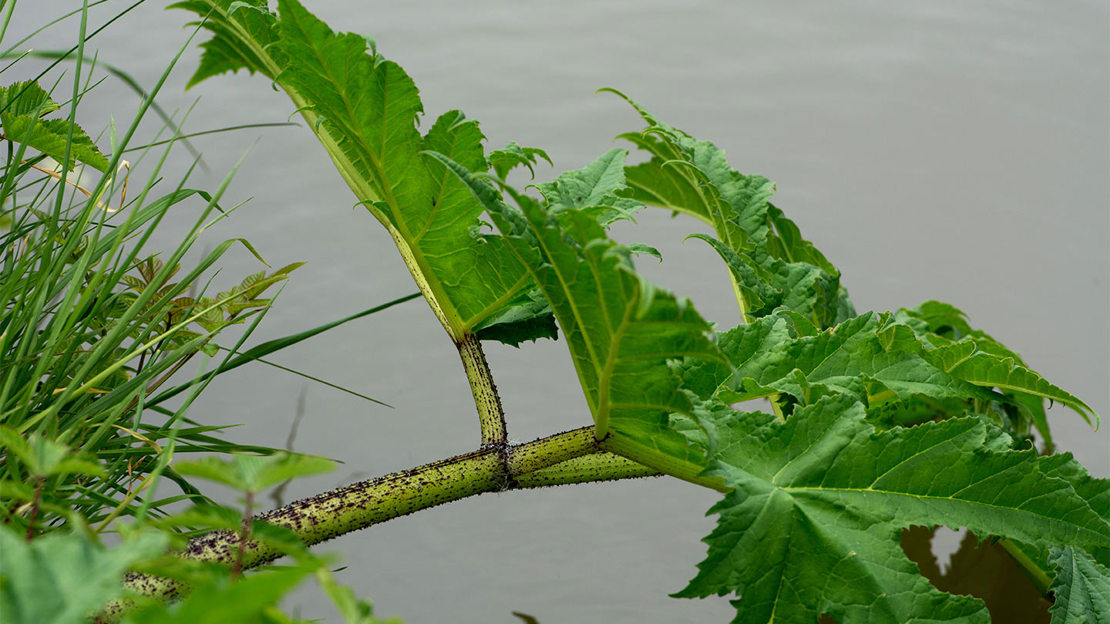
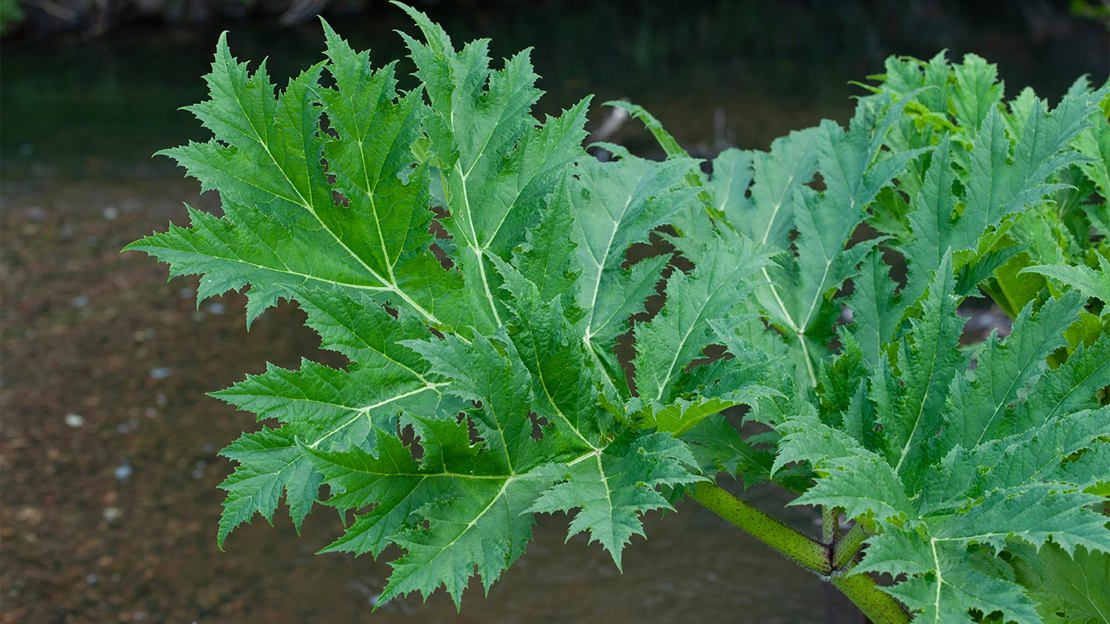
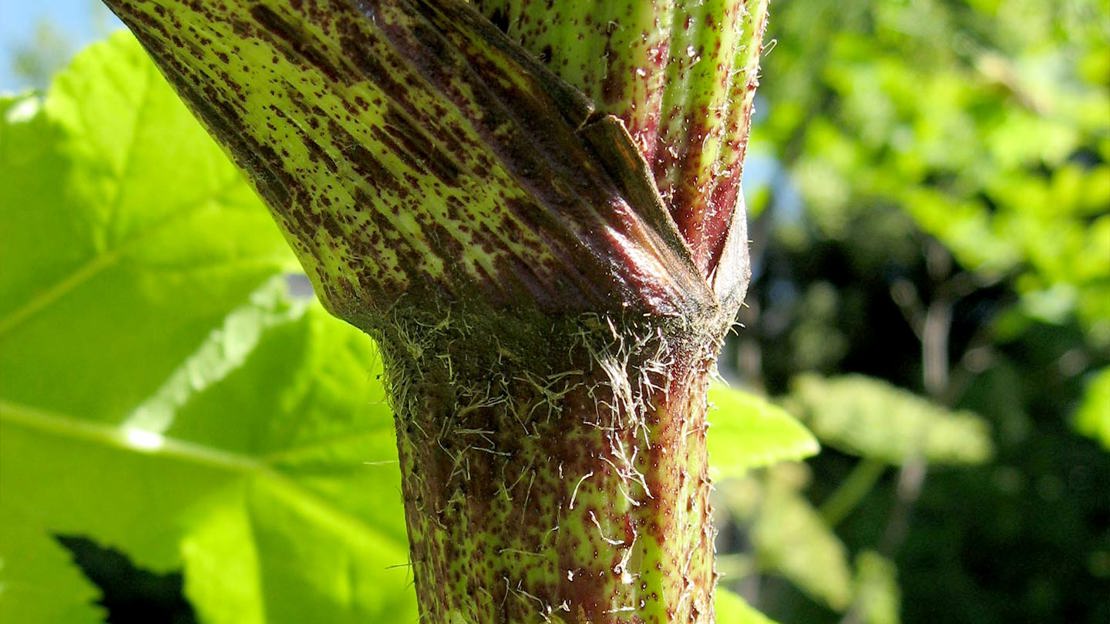
The sap of giant hogweed can cause burns. It contains furocoumarin, which makes skin extremely sensitive to sunlight (phytophotodermatitis). If the sap gets onto your skin and it's then exposed to the sun, your skin can blister badly. Blistering can then recur over months and even years. This is known as phytotoxicity.
The best way to avoid injury is to familiarise yourself with the plant and avoid contact with your skin. Brushing through patches of giant hogweed and exposing yourself to plants that have been cut might cause you to get sap on your skin.
If you do get giant hogweed sap on your skin, be sure to wash the area thoroughly and immediately. Seek medical advice and do not expose the area to sunlight for a few days.
Giant hogweed poses a similar threat to pets as it does to people, with the potential to cause blisters and burns. Although animals such as dogs and cats get some protection from their fur, hairless regions of skin are particularly vulnerable when coming into contact with the plant. And if the sap gets into their eyes, it can cause blindness.
Livestock can, in some cases, suffer the same skin reactions to giant hogweed as other animals. However, there is evidence that certain cattle, sheep, goats and pigs can graze giant hogweed without harm and even be effective at controlling the plant. Still, care should always be taken and animals should be separated from giant hogweed if any signs of blistering or illness occur.
If you come across giant hogweed in your garden, you should look to have it removed to avoid any health risks and prevent small infestations from getting worse over time. Individual plants can be removed by hand but larger, more established colonies are best left to professionals and may require the use of herbicides.
If you’re removing giant hogweed yourself, it must be done in full protective clothing due to the danger posed by the sap. Clothes and tools should be washed thoroughly after use and it’s important to remember that the sap can still be dangerous several hours after the plants have been cut down. The following methods can help get rid of giant hogweed from your garden at different stages in its lifecycle.
If giant hogweed is already growing in your garden, it is not an offence. However, it is illegal to plant or deliberately allow giant hogweed to spread in the UK, and you are obligated to remove giant hogweed on your property if ordered to do so by an environmental authority. Since giant hogweed material is classed as ‘controlled waste’, it must be disposed of at a licensed landfill site.
If you come across giant hogweed on council-owned land then it can be reported to your local council. Infestations on private land should be brought to the attention of the landowner.
Here are some common plants that could be confused with giant hogweed, with images and descriptions to help you with identification.
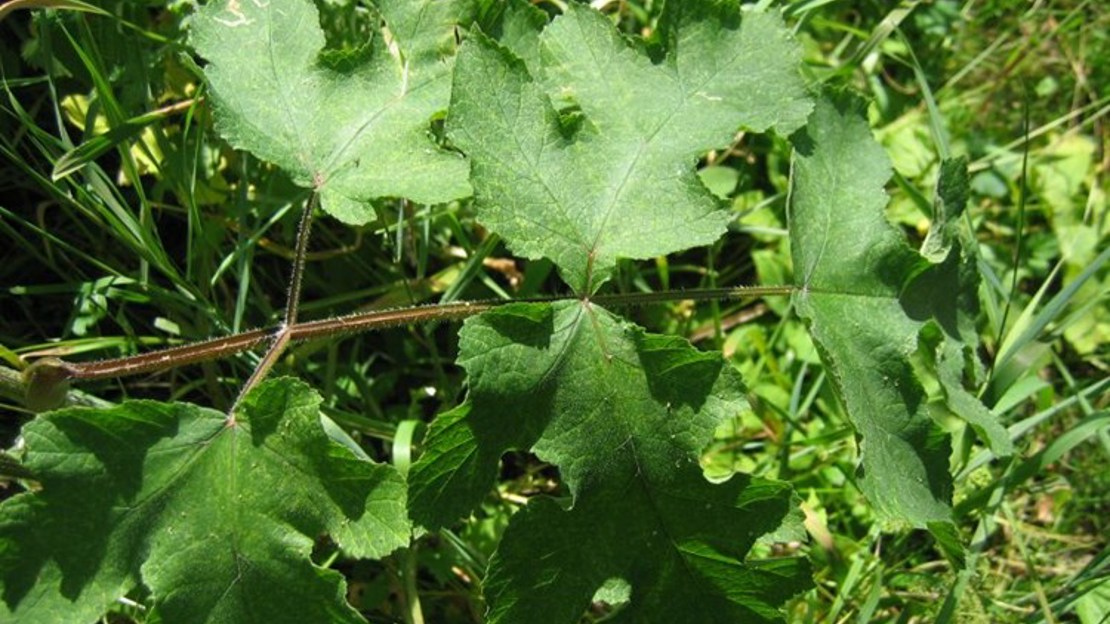
Common hogweed is very similar-looking to giant hogweed but is much smaller. Its stems aren’t blotchy like those of giant hogweed (their colour graduates smoothly from green to purple) and are ridged, hollow and hairy.
Common hogweed only reaches a maximum height of 2m and the symmetrical flower heads only reach 20cm across. Its seeds are much smaller and lighter than those of giant hogweed, and the leaves are less jagged and more rounded at the edges than giant hogweed.
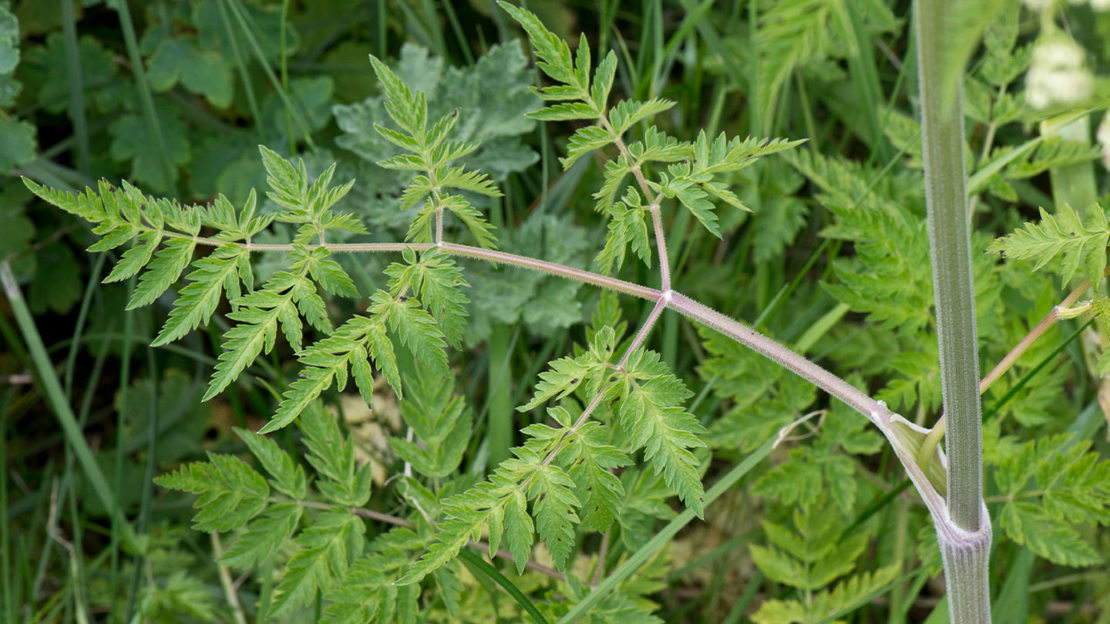
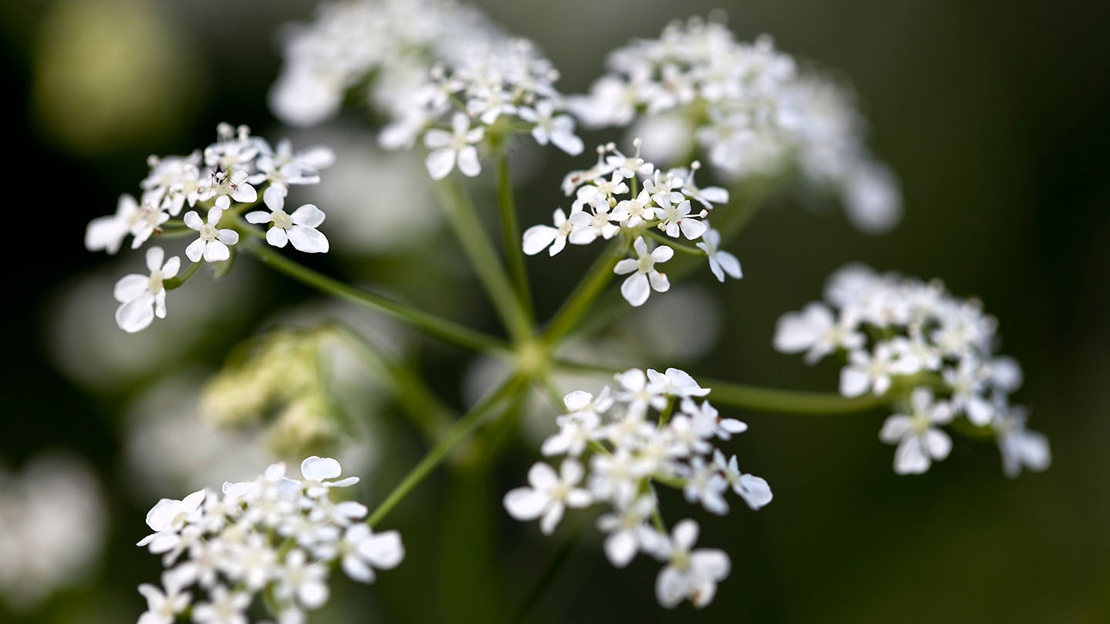
Cow parsley is a native plant common along hedgerows and roadsides. It grows to 60–170 cm and also has clusters of white flowers in umbels. The leaves are very different to giant hogweed - they are tripinnate (the leaflets are themselves divided and then these divisions are divided again). Confusingly, some people refer to giant hogweed as giant cow parsley.
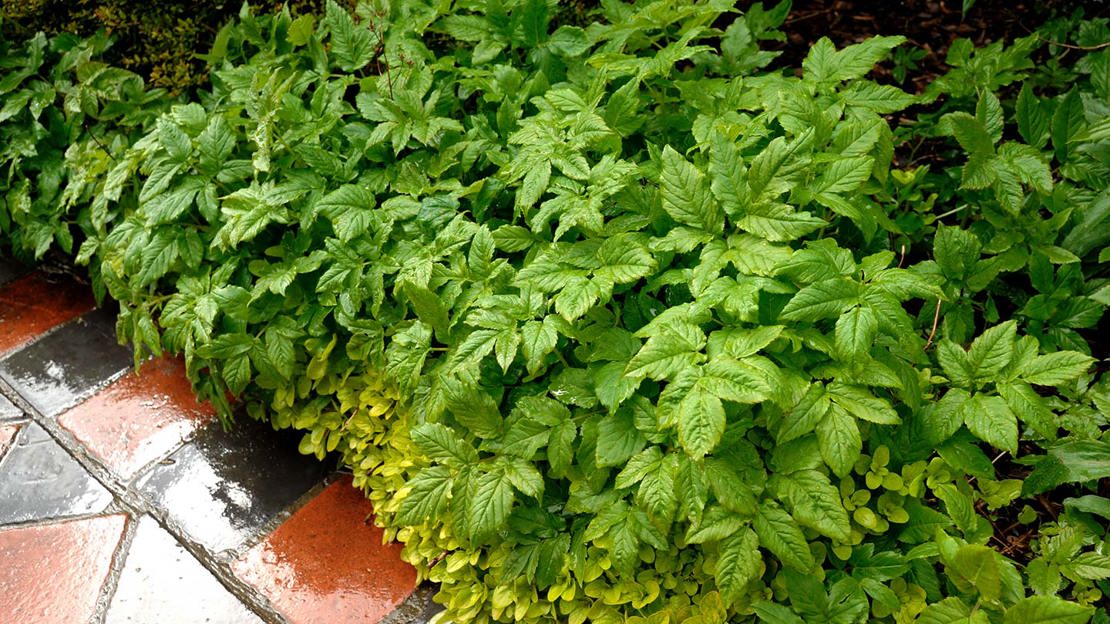
Ground elder is a non-native plant (introduced by the Romans, possibly as an edible) which has made its way into the countryside and people's gardens. It is not related to elder trees (Sambucus nigra) but gets its name from having elder-like leaves. Its leaves are very different to giant hogweed, although it has similar flat-topped clusters of small white flowers which can grow to 20cm across.
Blog
Helen Keating • 01 Jul 2020
Blog
Hannah Vickers • 06 Apr 2020

Blog
Hanako Shimada • 19 Feb 2025
Blog
Kate Lewthwaite • 17 Aug 2021