

Did you know?
Britain and Ireland are home to about 20% of all the world’s blanket bog.
We’re protecting this unique site in the Ochil Hills for the benefit of the local wildlife, the community and the climate.


We’re delighted to have secured an extension to our Glen Devon Woodlands estate in the Ochil Hills of Central Scotland, bringing 57 hectares of Glen Quey Moss into our care.
With a diverse mosaic of habitats, including a large swathe of blanket bog, Glen Quey Moss is a haven for birdlife and invertebrates. Purchased thanks to a generous £250,000 donation from the Hume family, this upland oasis will now be protected and restored, ensuring it remains a healthy, thriving place for people and nature.
Britain and Ireland are home to about 20% of all the world’s blanket bog.
Nestled between Glen Quey and Geordie’s Wood – two sites which, together with Glen Sherup, make up our Glen Devon Woodlands estate – Glen Quey Moss has long had an uncertain future.
Prior to our acquisition of the site there were fears a sand and gravel quarry could be constructed, which would have resulted in significant damage to the fragile habitats here. Glen Quey Moss contains large areas of grassland and 15 hectares of raised blanket bog – a globally rare habitat characterised by extensive peatlands and acidic soils where sphagnum mosses, heathers and cottongrasses grow.
Now under our care, these habitats and the species which rely on them will be allowed to flourish.
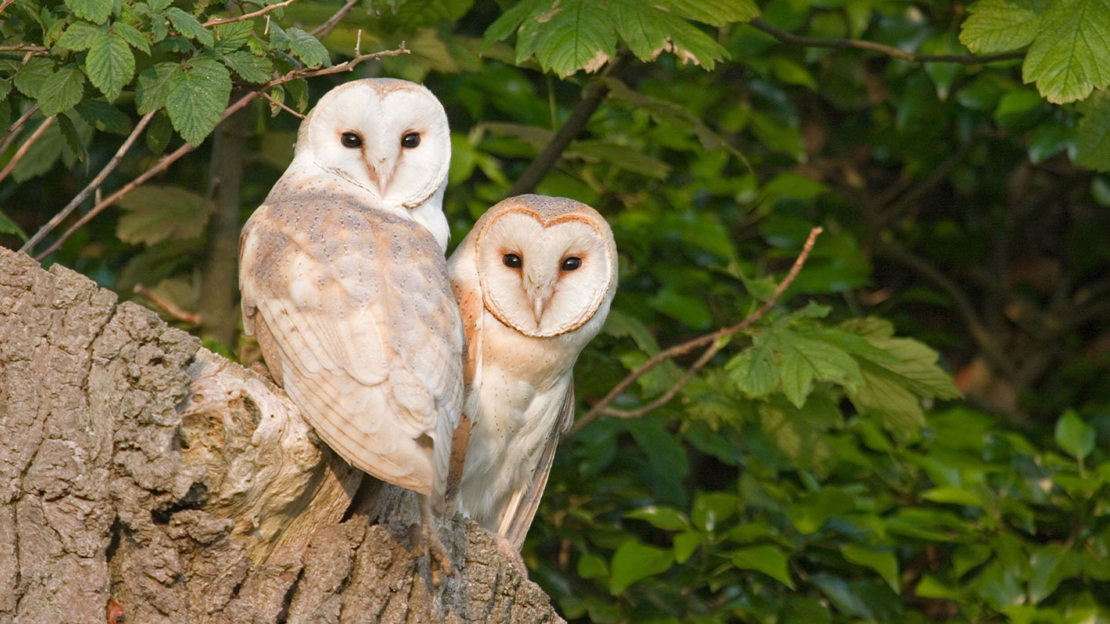
Benefiting from our protection of Glen Quey Moss will be snipe, meadow pipits and kestrels, as well as Red Listed bird species such as short-eared owls, skylarks and lapwings, all of which have been observed on the site. Additionally, a pair of barn owls has already moved into a nest box we have erected above the bog.
And it’s not just birds. Glen Quey Moss is a surprising hotspot for spiders, with recent survey work yielding records of a nationally rare ground-dwelling species (Robertus neglectus) and a jumping spider (Heliophanus flavipes) that’s only been recorded in the Ochill Hills once before.
Our priority for Glen Quey Moss will be protecting the blanket bog that makes this place so special. But in some of the grassier parts of the site, we’ve identified areas that are suitable for new woodland creation. Establishing native trees adjacent to the bog will help preserve the existing biodiversity while also providing a richer mosaic of habitats, encouraging a greater number of species.
By acquiring Glen Quey Moss, we’ve also bridged a gap between the northern edge of Geordie’s Wood and Glen Quey, allowing us to improve public access and link existing walking routes for the many thousands of visitors attracted to the peace and tranquillity of Glen Devon Woodlands every year.
Protecting trees and woods
Discover the latest challenges and successes for woods and trees and find out how you can make a difference.

Support us
We safeguard woodland across the UK. But we can’t do this without you. Your support is vital to save woods for future generations, protect the wildlife that calls them home, and restore them to their thriving best.
Support us
Your support makes a big difference. Here's what we're achieving together.